Utah’s ski culture is built on more than snow totals and vertical feet. It’s built on people.
Did you know Utah consistently ranks among the top states in the nation for volunteerism? That spirit shows up everywhere—from trail cleanups to ski patrol—and nowhere is it more impactful than in adaptive sports.
Across the state, adaptive sports organizations work year-round to ensure people with disabilities can experience the freedom, confidence, and community that come with outdoor recreation. And at the heart of every adaptive program is a dedicated group of volunteers who make that access possible.
If you’ve ever wondered what it’s like to volunteer with an adaptive sports program—or whether it’s something you could do—here’s what to know.
Why Volunteer With One of Utah’s Adaptive Sports Programs?
Adaptive sports volunteering is about access, but it’s also about connection.
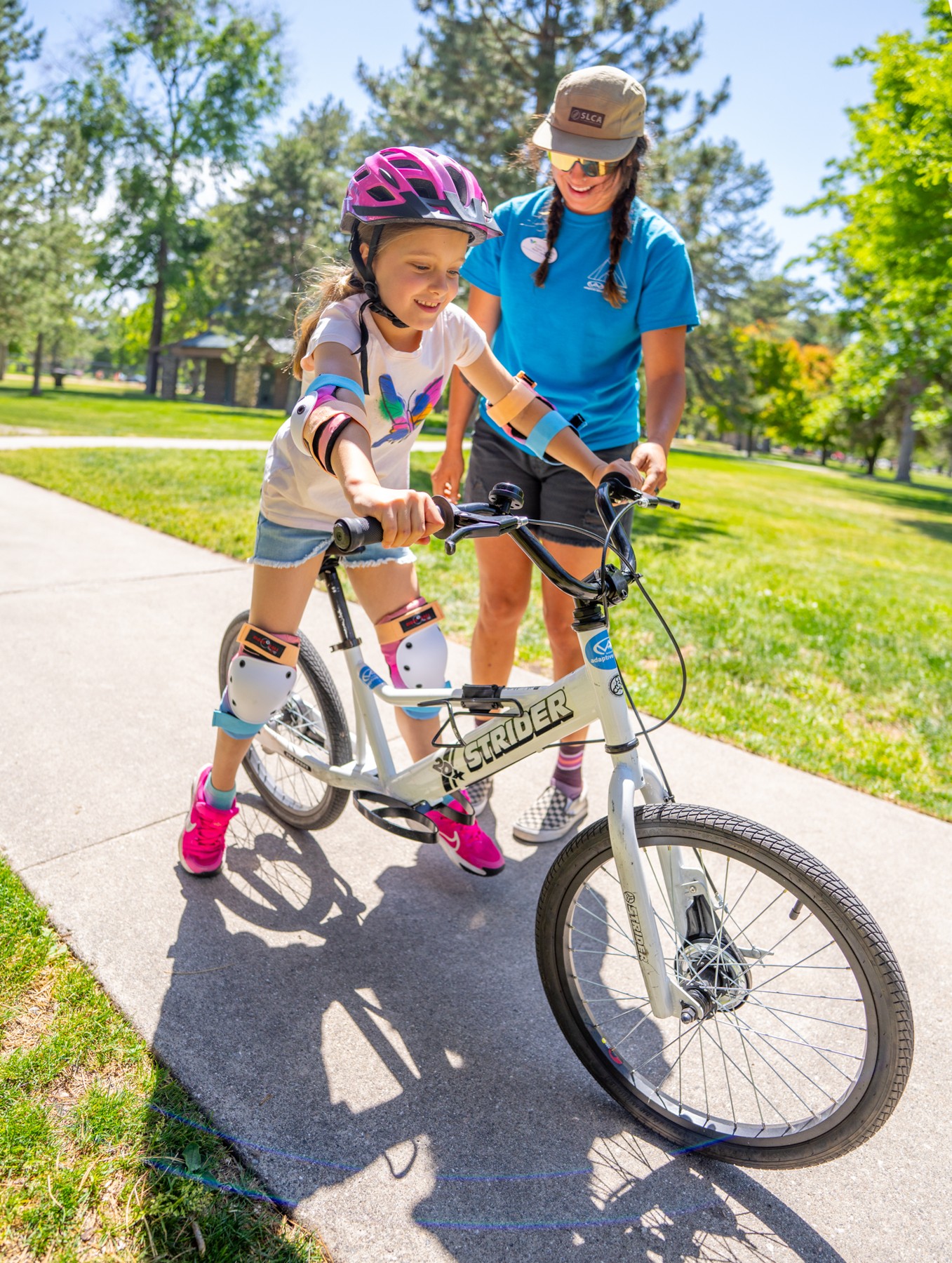
Volunteers help break down barriers—physical, financial, and social—that might otherwise keep someone from participating in skiing, snowboarding, cycling, paddling, or other outdoor activities. In many cases, volunteers are the difference between a participant with a disability sitting on the sidelines and being out on the mountain.
But volunteers often discover that the experience gives just as much back.
Many describe adaptive volunteering as:
-
A deeper way to engage with Utah’s outdoor culture
-
A chance to build meaningful one-on-one connections
-
A reminder of why they fell in love with skiing and riding in the first place
-
A perspective-shifting experience that challenges assumptions about ability
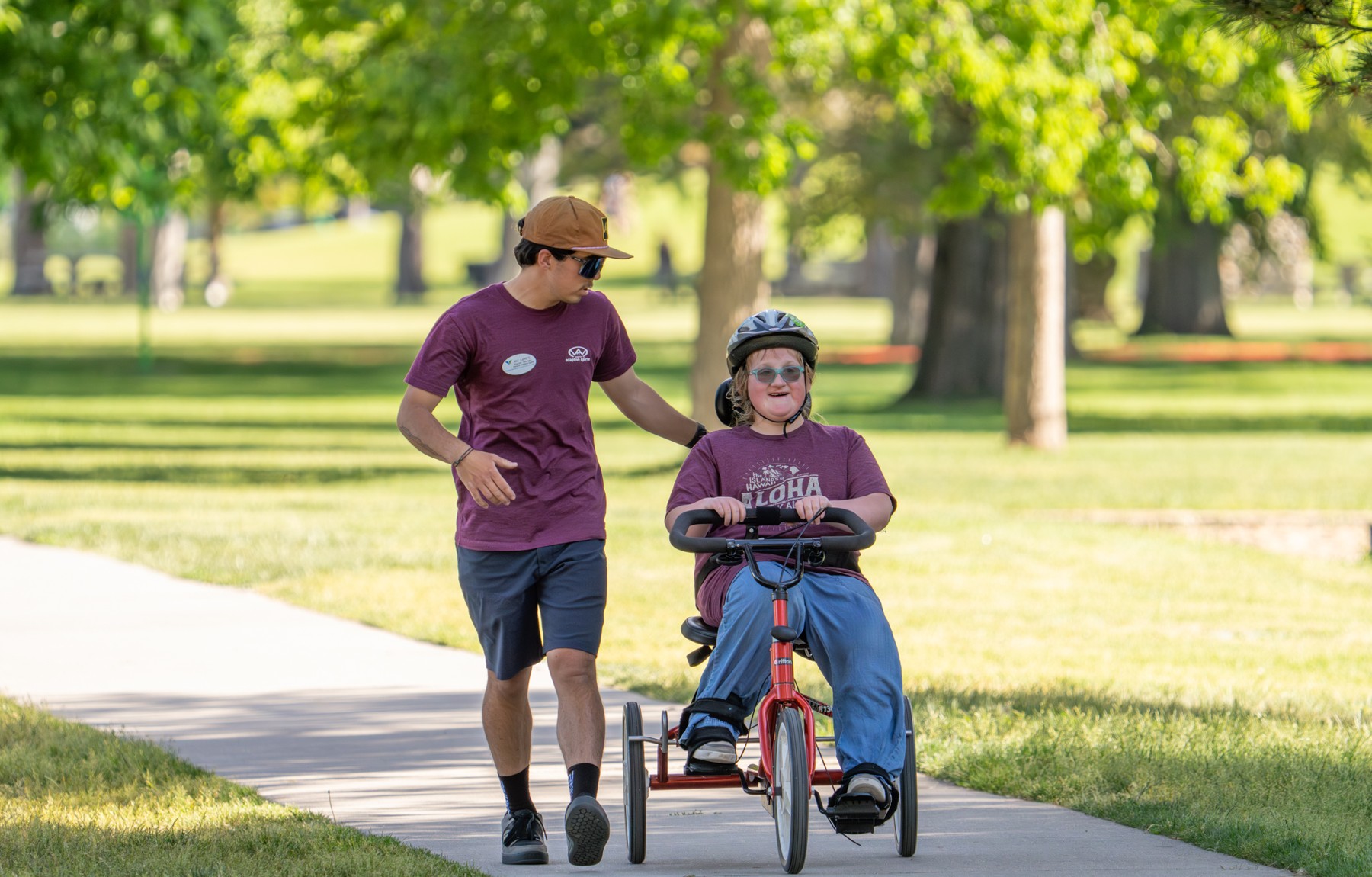
Adaptive athletes aren’t there to be “helped”—they’re there to ski, ride and recreate. Volunteers support that goal by fostering independence, confidence and fun.
In short: volunteering isn’t about doing things for people. It’s about doing things with them.
What to Expect as an Adaptive Sports Volunteer
While every organization is a little different, adaptive programs across Utah share a common philosophy: volunteers are trained, supported, and set up for success. You don’t need a background in healthcare or special education. You do need curiosity, patience and a willingness to learn.
Training: What You’ll Learn
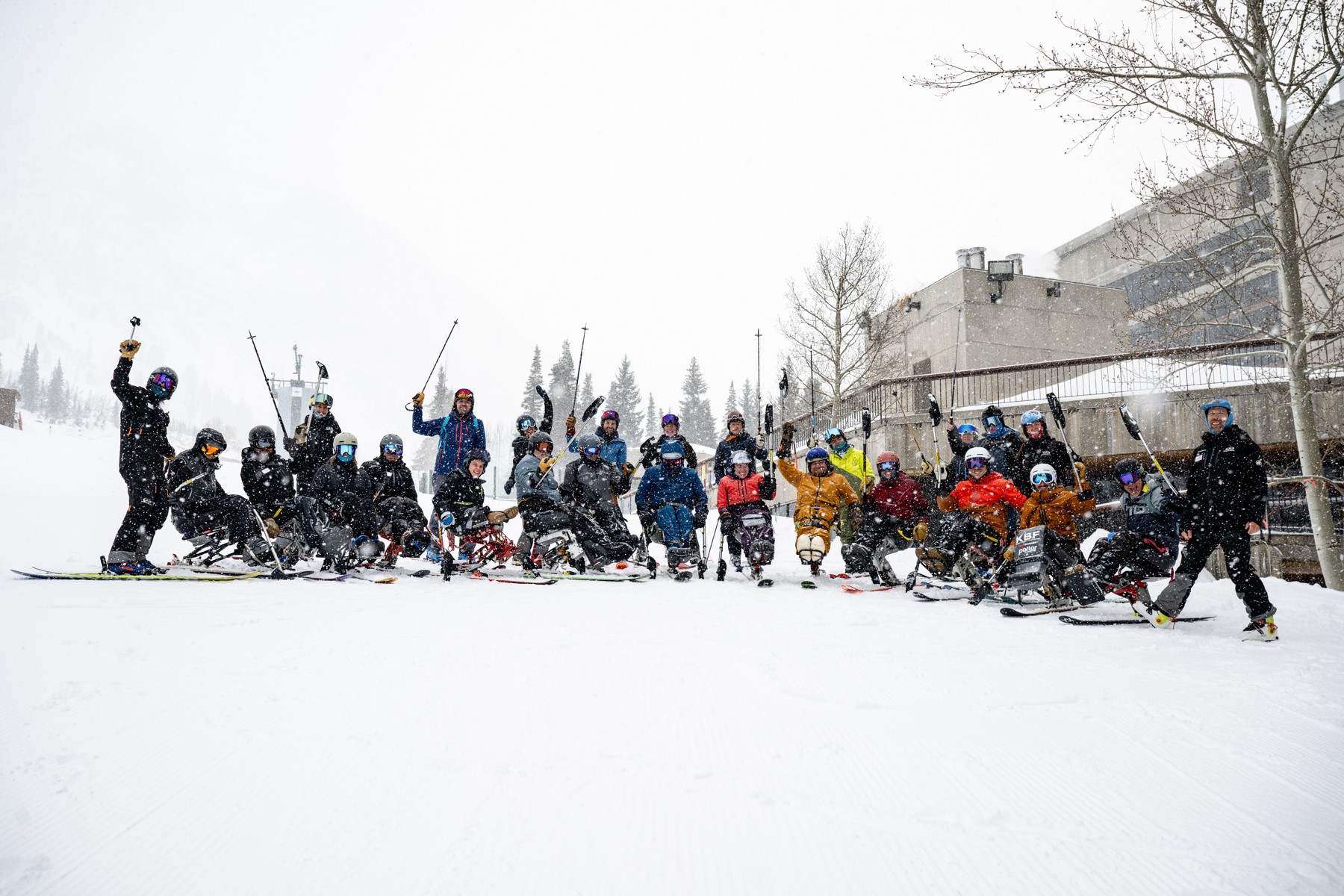
All adaptive sports programs provide training before volunteers head into the field. This training is designed to build confidence—for volunteers and participants alike.
Common training topics include:
-
Disability awareness and inclusive language
-
Communication strategies
-
Adaptive equipment basics
-
Safety protocols and risk management
-
How to support independence without over-assisting
-
Role expectations and boundaries
On snow, training may also cover:
-
Tethering techniques
-
Chairlift loading and unloading procedures
-
Terrain selection and pacing
-
Emergency response basics
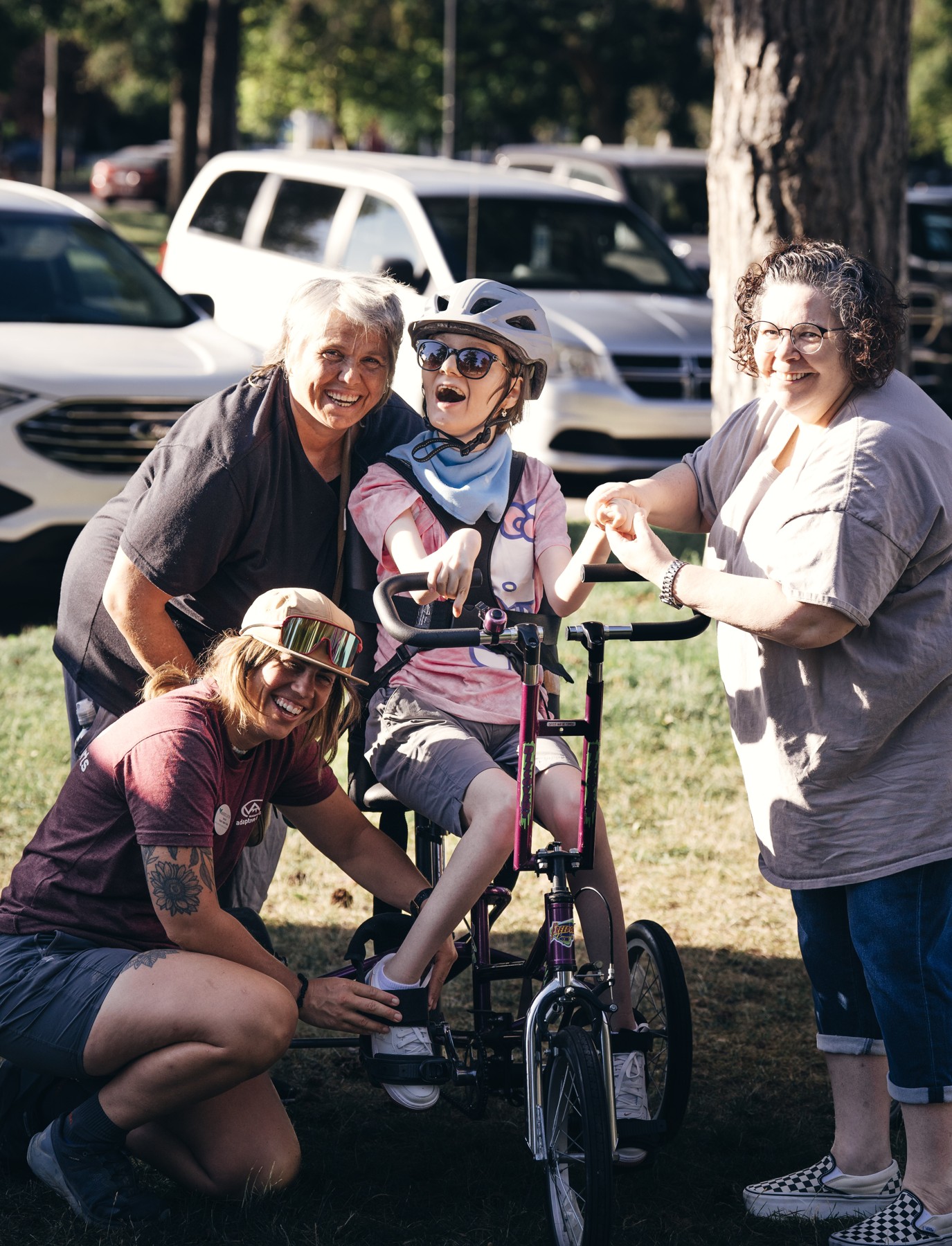
Most programs pair new volunteers with experienced staff or mentors, so learning continues on the mountain—not just in the trainings.
What Volunteering Can Look Like Across Sports
Adaptive sports aren’t limited to winter and neither is volunteering. Opportunities vary by season, sport and organization.
Winter Sports: Skiing & Snowboarding
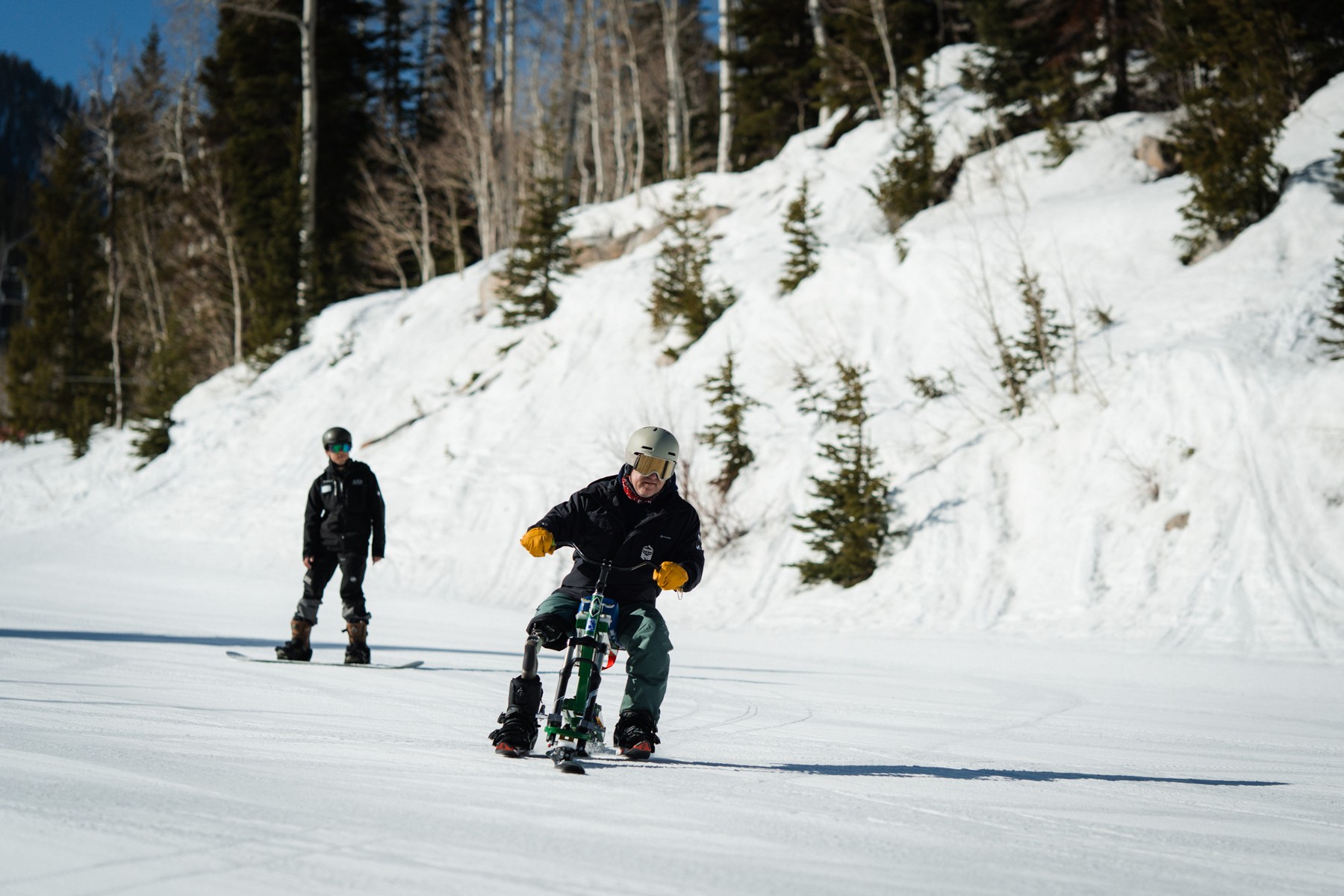
Winter volunteers typically assist with alpine skiing, snowboarding and Nordic skiing.
For alpine programs:
-
Volunteers usually need to ski or snowboard independently on intermediate terrain
-
You don’t need to be an expert—but you do need solid control
-
Roles vary widely, may include skiing alongside a participant, or assisting with lift-loading, equipment and logistics
Not all winter roles require skiing. Programs may also need:
-
Event support
-
Equipment prep and fitting help
-
Registration and participants check-in
Summer & Year-Round Sports
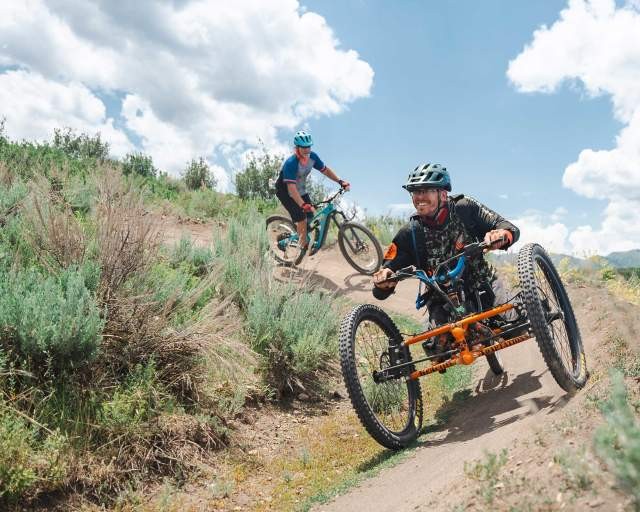
Many adaptive organizations operate year-round, offering programs such as:
-
Mountain biking and cycling
-
Paddle sports
-
Climbing
-
Yoga, fitness and wellness programming
These roles generally require intermediate to advanced competence, but rarely require previous teaching experience. Some volunteers assist directly with activities, while others support behind the scenes.
The common thread across all sports is adaptability—meeting participant where they are and helping create an experience that’s safe, empowering, and fun.
Who Makes a Great Adaptive Sports Volunteer?
There’s no single “type” of adaptive volunteer.
Some are lifelong skiers looking to give back to the mountains they love. Others are newer to outdoor recreation and want to get involved in a meaningful way. Many return season after season because of the relationships they build.
Great volunteers tend to share a few qualities:
-
Reliability – showing up matters
-
Humility – being open to learning
-
Patience – progress looks different for everyone
-
Respect – adaptive athletes are experts in their own experiences
-
A sense of humor – because things don’t always go as planned
If you’re willing to learn and show up with a positive attitude, adaptive programs will teach you the rest.
.jpg)
Where Adaptive Sports Volunteering Happens in Utah
Utah is home to several adaptive sports organizations serving different regions of the state. Each works closely with local resorts, trails, and communities to deliver inclusive recreation opportunities.
National Ability Center (Park City)
Serving the Wasatch Back and beyond, the National Ability Center offers a wide range of adaptive programs across winter and summer sports.
Volunteer sign-up:
https://volunteer.discovernac.org/volunteer-sign-up
Wasatch Adaptive Sports (Wasatch Front)
Providing porgams primarily in Salt Lake and Utah counties, Wasatch Adaptive Sports provides year-round adaptive recreation opportunities, including skiing and snowboarding at Snowbird, Alta and Sundance.
Volunteer sign-up:
https://wasatchadaptivesports.org/volunteer#panel2
Ogden Valley Adaptive Sports
Serving Northern Utah, Ogden Valley Adaptive Sports offers adaptive recreation opportunities rooted in community connection and access.
Volunteer sign-up:
https://ogdenvalleyadaptive.org/volunteer
TRAILS Adaptive
TRAILS Adaptive through University of Utah Health, focuses on creating access to outdoor recreation across through adaptive cycling, skiing, and other activities, focusing on complex physical injury or disease.
Volunteer sign-up:
https://www.utrails.us/volunteer
Each organization provides its own training, schedule options, and volunteer pathways—making it easier to find a role that fits your interests and availability.
Why It Matters
Adaptive sports volunteering strengthens Utah’s outdoor community as a whole.
It helps ensure that skiing and riding aren’t reserved for a narrow definition of who “belongs” in the mountains. It expands access. It builds empathy. And it reinforces the idea that outdoor recreation is better when it’s shared.
For many volunteers, the experience reshapes how they see the mountain—not as a place defined by performance, but by possibility.
And in a state known for both world-class skiing and world-class volunteerism, adaptive sports sit right at the intersection of those values.
Ready to Get Involved?
If you can ski or ride, enjoy being part of a team, and want to contribute to something bigger than yourself, there’s a place for you in Utah’s adaptive sports community.
Training is provided. Support is built in. And the impact—on participants, programs, and volunteers themselves—is lasting. Access doesn’t happen by accident. It happens because people show up.