A tear came to Utah photographer Re Wikstrom’s eyes as she paged through Backcountry Magazine. There she was, her career splashed over the pages of Heather Hansman’s Opening the Lens story, profiling Wikstrom and how she has singelhandedly elevated the image of women in skiing. Wikstrom joined Last Chair from the High West Studio, reminiscing her start in photography, the move of passion to the Rocky Mountains, and the joy that shooting continues to provide her and all those around her.
A Connecticut native, as a young girl, she loved making photographs with her mother’s Ricoh point-and-shoot camera. Soon, she combined her burgeoning love for photography with that of skiing. And at some point, she joined friends in moving west – first to Jackson Hole. But along the way, a big powder season in Utah and the offer of a futon lured her to the Wasatch, where for two decades she has been photographing the Greatest Snow on Earth.
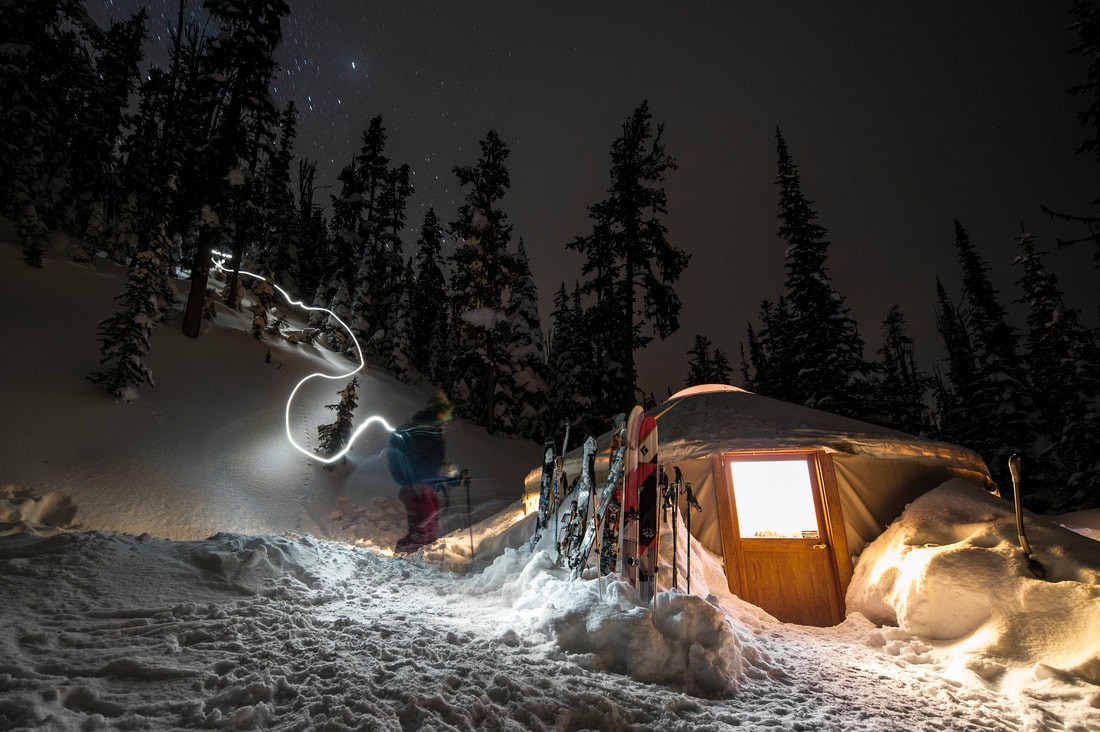
Re Wikstrom personifies happiness – something that rubs off on her subjects. As a photographer, she has a knack for managing light and capturing images. But a big part of that is the personality she exudes and the relationships she develops with her subjects.
Hands down, Wikstrom is one of the best photographers shooting in the Wasatch. But her work with women is what has elevated her to a special place in her field. It’s her mission!
“Part of my personal mission is to put more visuals of women athletes out into the world the way I want to see them portrayed,” she says.
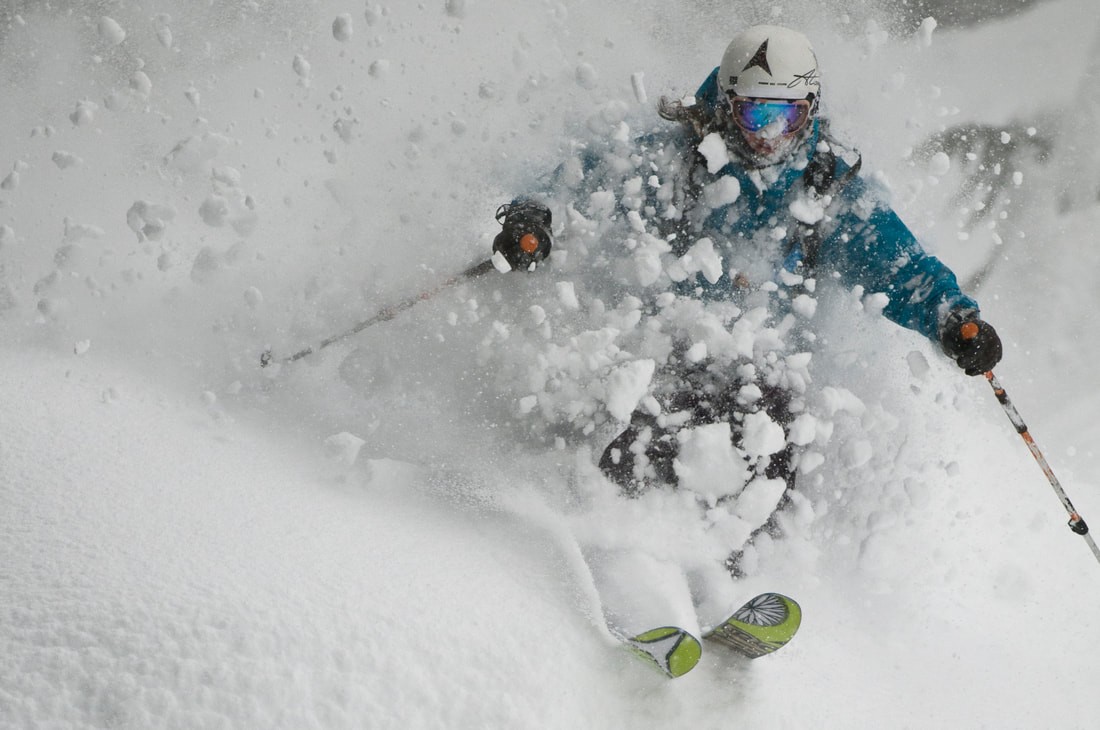
In her Last Chair interview, Wikstrom takes us back to her childhood and finding a love for photography. She reminisces about negotiating with her mother, who convinced her to finish school before becoming a ski bum. And she proudly walks us through some of her favorite images.
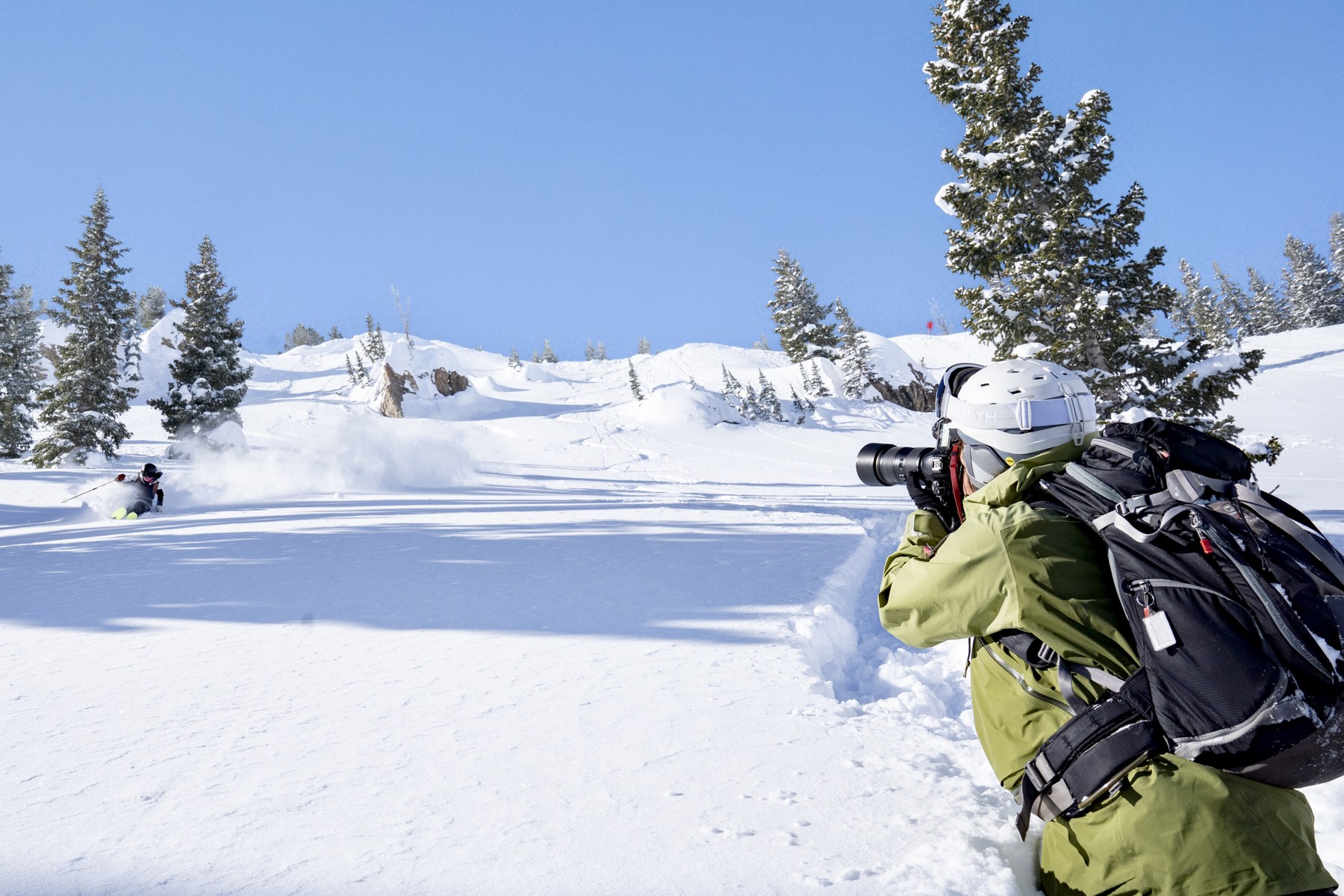
This episode will take you high up into the Cottonwoods, early morning on a powder day, as Re Wikstrom chronicles her life as a ski photographer.
“Part of my personal mission is to put more visuals of women athletes out into the world the way I want to see them portrayed. Because when I was growing up, it felt like there was a lack of representation for women and for a range of women. I felt like there was this one stereotype, and most of the photography that was seen and published was just really like narrow focus on this one stereotype. And I thought, there's so much more.” - Re Wikstrom
If you would like to check out Re's work and support her mission, please visit her website or Instagram.