Lift mechanics. Snowcat operators. Snowmaking crews. Vehicle technicians. Hospitality teams. The problem solvers, early risers and behind-the-scenes pros who keep the mountain alive, day in and day out.
If you're looking for work that's hands-on, purpose-driven and connected to the outdoors, these careers offer more than a job. They offer a path. Through training, mentorship and real-world experience, you can build something that lasts well beyond a season.
Lift mechanic. Not Lift Operator.
Many lift mechanics begin their careers as lift operators. It's often the first step on the mountain. From there, the path shifts.
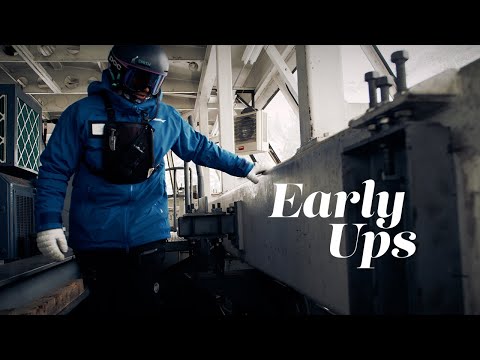
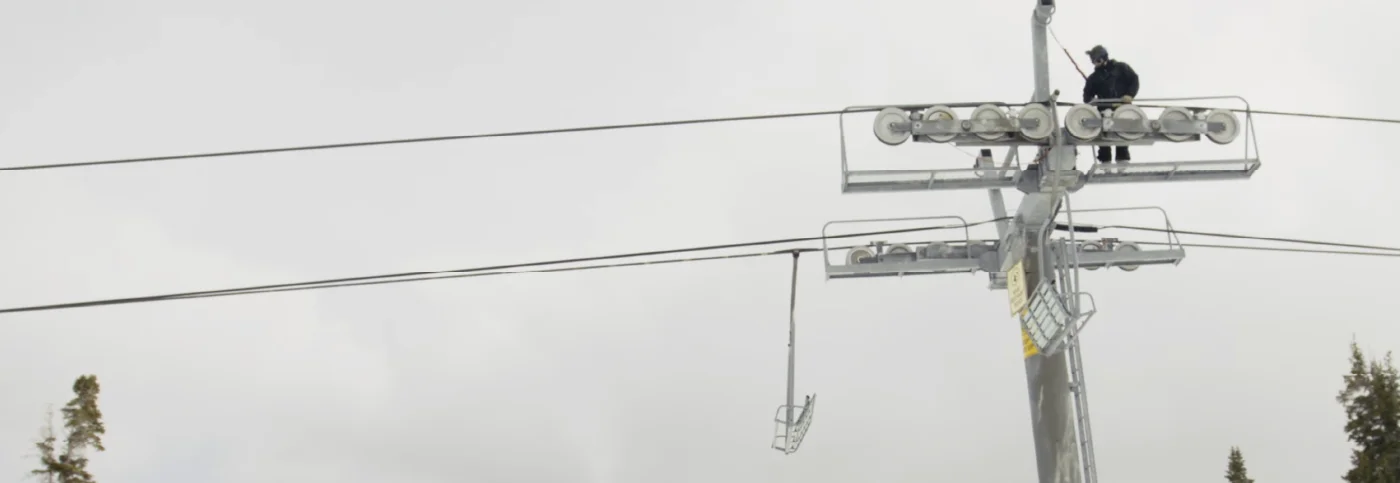
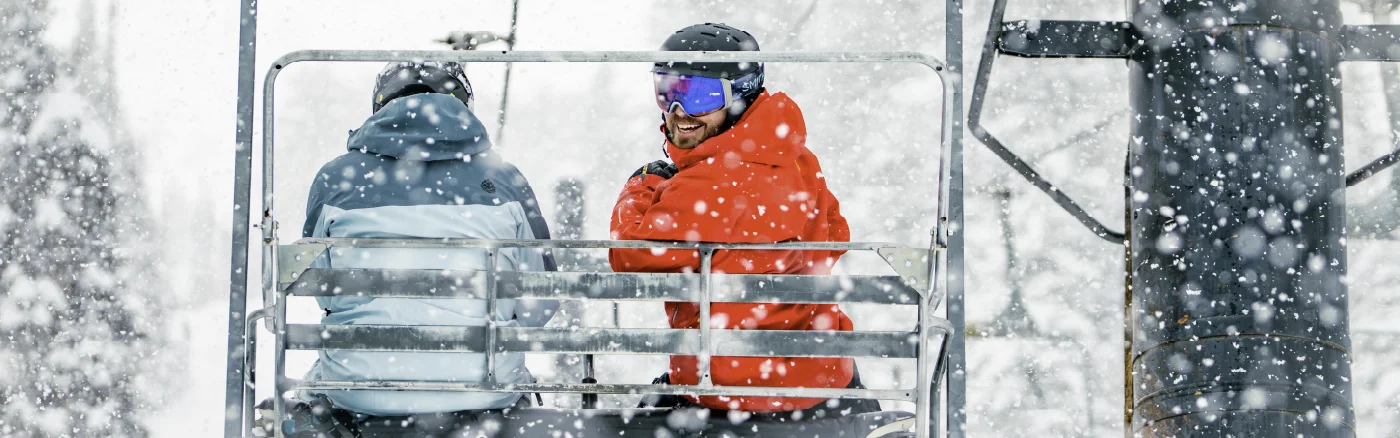
Lift mechanics, or Ropeway Technicians, move into a skilled trade that blends mechanical systems, electrical expertise, and real-time problem solving. Around the industry, you'll hear the term "mechtrician" — part mechanic, part electrician. They're the ones climbing towers, working in the elements, and keeping lifts running safely. It's hands-on, technical work with some of the best views in the mountains.
And it's not just a season. It's a career.
Utah sits at the center of it, with Doppelmayr and Leitner-Poma / SkyTrac both with locations in Salt Lake City, helping drive innovation and opportunity in the field.
Now there's a clearer way in.
Salt Lake Community College has launched a Level 1 pre-apprenticeship program, creating a direct entry point, with apprenticeship pathways continuing to take shape across the industry.
Have you ever wanted to turn a wrench on a snowcat?
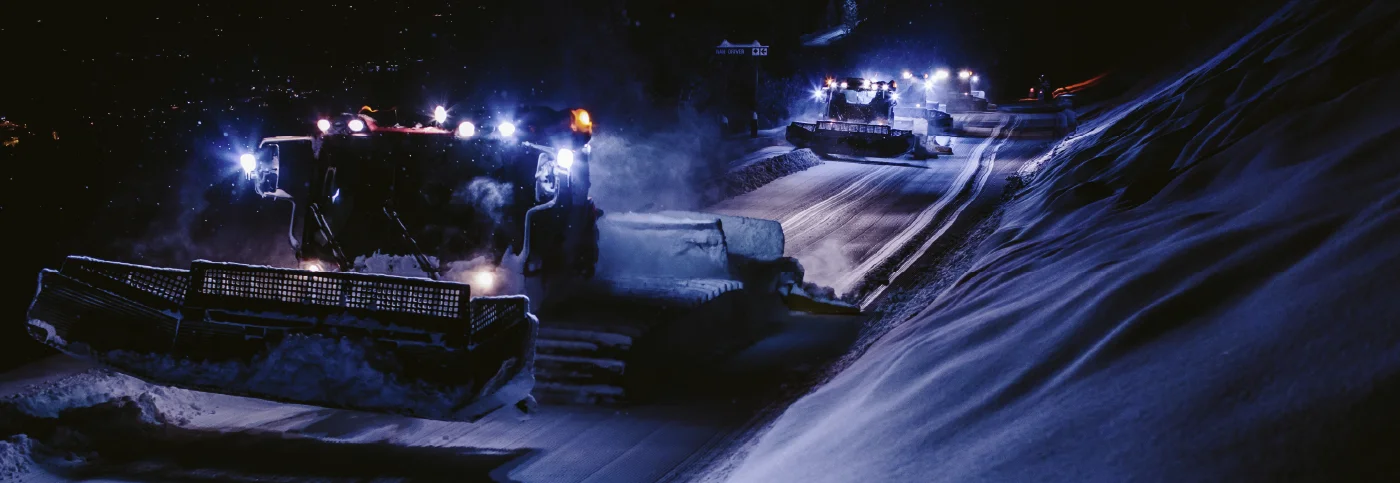
Snow vehicle maintenance takes a unique blend of skill to keep things running in a mountain environment. Diesel engines, hydraulics, and electrical systems all working together to power snowcats, snowmobiles, and resort fleets.
From PistenBully snowcats to full resort fleets, these machines are built for mountain conditions and require technicians who understand how to keep them running when it matters most. Just one reason why Utah is home to North America's largest PistenBully dealer, Petersen Equipment.
The work is a mix of preventative maintenance, in-field diagnostics, and keeping critical equipment online so operations don't skip a beat. You're problem solving before the lifts spin and sometimes while they do.
If this path interests you, training programs like Salt Lake Community College's Diesel Service Technician track and powersports programs offer a strong starting point, with skills that carry directly into resort operations.
Set the base for the season. Pick up the slack when Mother Nature goes quiet.
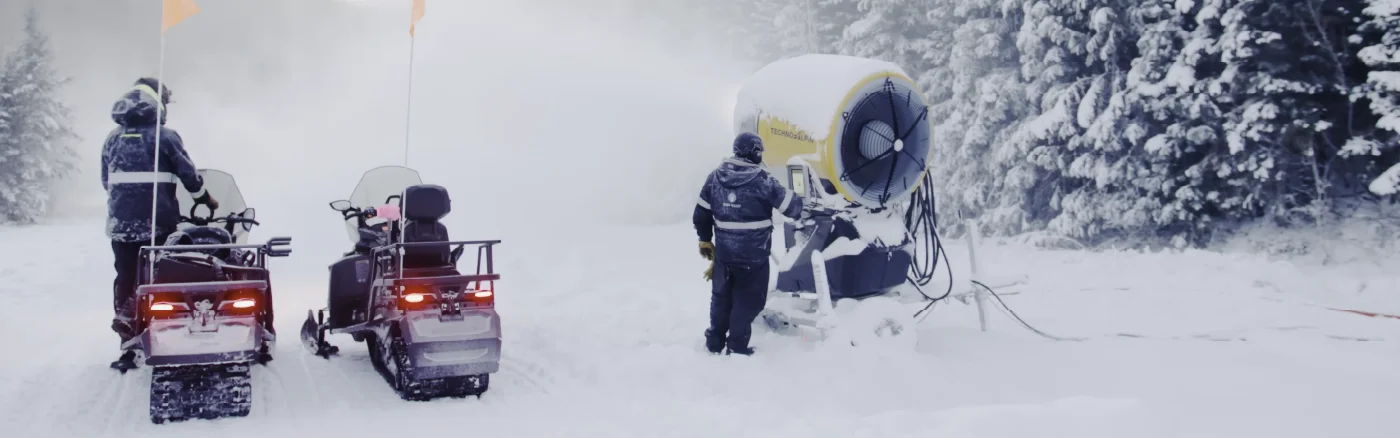
Snowmaking blends science and mountain ops. You're working with water systems, maintaining snow guns, reading temperature and wet bulb, and dialing it all in to produce high-quality snow. If it's got bounce, you did it right.
You're managing high-pressure pumps, compressors, hydrants, and production zones across the mountain. Watching weather windows, adjusting flow based on available water, and building the surface from the ground up.
Companies like HKD Snowmakers, with a presence here in Utah, are part of what makes this work possible, designing and supplying the systems used across resorts worldwide.
It's hands-on work, often running across three shifts, day, swing, and overnight.
Resorts offer on-the-job training, with skills that translate into water systems, mechanical operations, and infrastructure roles across multiple industries. And yes, it usually comes with a season pass.
The mountain experience starts long before the first chair spins.
Hospitality is the front line. Lodges, rentals, food and beverage, guest services, retail. You're the reason someone has a great day on the mountain, and the reason they come back. That takes more than a warm smile. It takes problem solving, composure under pressure, and the ability to read a room when the lifts go down and the lodge fills up fast.
From front desk to food and beverage management, these roles build real operational and leadership skills. You're managing inventory, running a team, handling high-volume service windows, and delivering an experience people drove hours to have. Sometimes across the country.
Resorts run on hospitality. It's not a support role. It's the product.
For those looking to grow, the path is there. Entry-level roles move into supervisory and management positions, with skills that carry across hospitality, events, tourism, and operations well beyond the mountain.
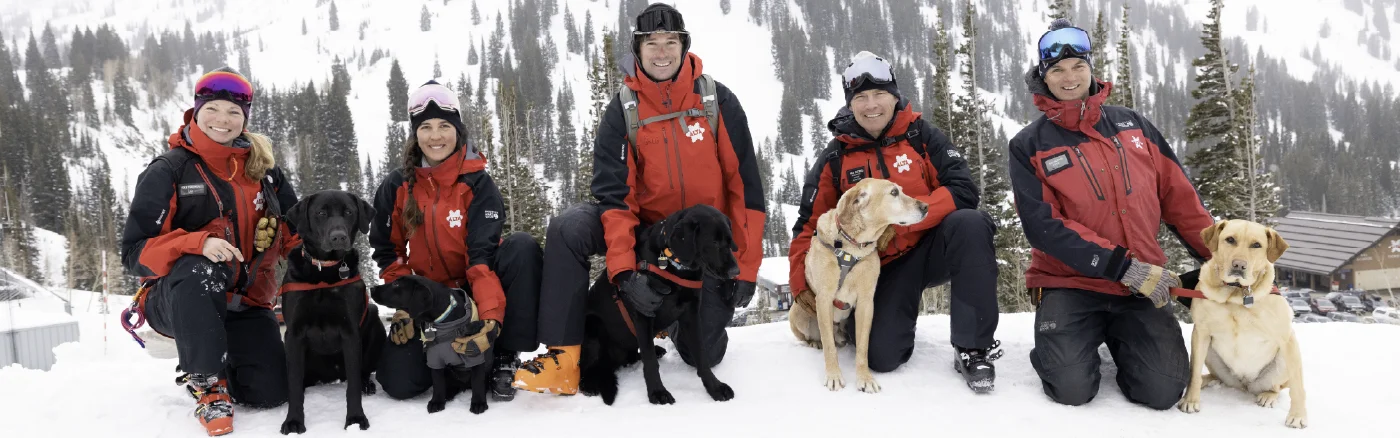
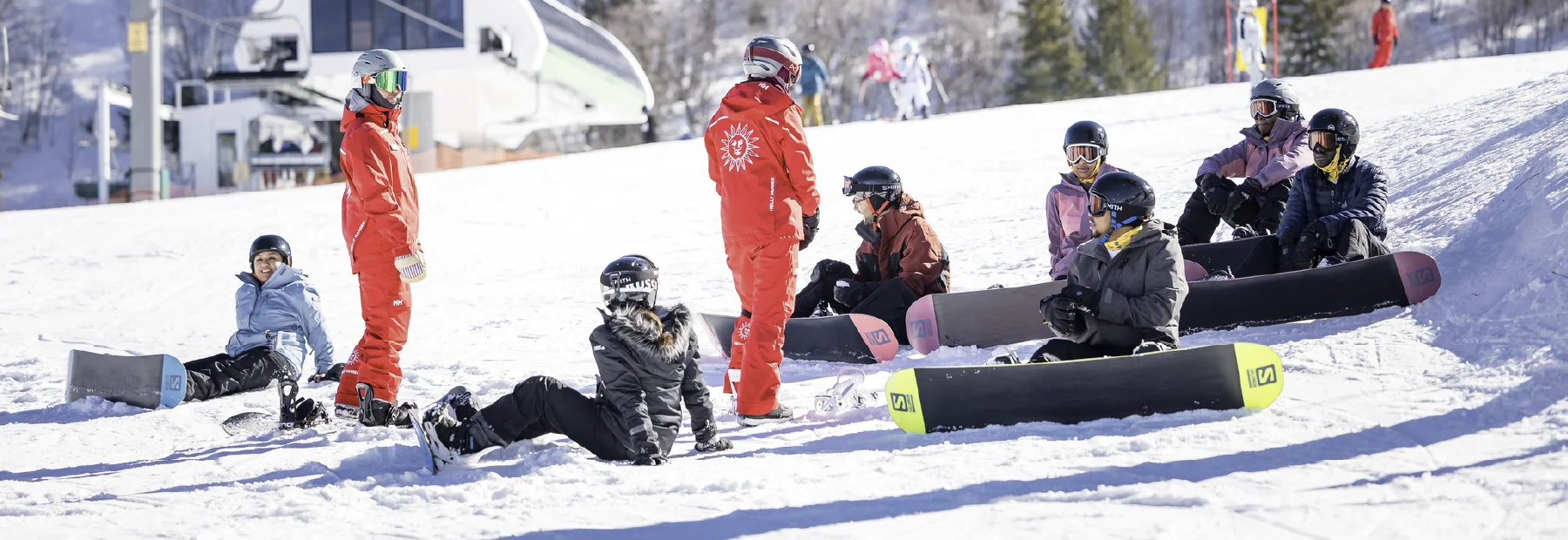
Yes, it's the red coat.
The one raising the lift pads, stringing the Halloween rope, moving bamboo, and dropping the "Open" sign for a terrain gate everyone's been watching from the chair. From up there, it looks like the best job on the mountain, first tracks, working on skis.
But as every seasoned skier knows, there's a lot of hard work and a long day behind those first tracks.
Ski patrol runs the mountain before it opens and after it closes. Avalanche mitigation, trauma response, customer assistance, course work, the list goes on. The specialties vary and so do the skill sets, but the common thread is working on and with the mountain.
Getting started means building your credentials before dropping off your application. A WFR or EMT certification lays the medical foundation — Weber State offers a Wilderness Care course open to the public. Formal avalanche education paired with real time in the terrain is a must. PSIA instructor training, summer trail maintenance experience, or a background in a related field (river guiding, wildland firefighting, search and rescue) will all help round out your skill set.
Looking to get a foot in the door at a resort, these positions move you forward.
Lift operators, parking crew, trail maintenance, terrain park staff. Entry-level, outdoor, and hands-on. Most come with a season pass and real exposure to how a mountain operation runs.
Partners In Promoting Utah Powder