GREAT SALT LAKE: WHY UTAH’S WINTERS DEPEND ON IT
What does the Great Salt Lake have to do with your next powder day? On this episode of Last Chair, Ski Utah’s podcast, host Tom Kelly joins Dr. Bonnie Baxter of Westminster University’s Great Salt Lake Institute and Dr. Ben Abbott of Grow the Flow and Brigham Young University to explore that connection. Recorded at the Eccles Wildlife Education Center in Farmington, the conversation brings together lake science, Utah skiing, and practical ways to help protect an ecosystem that shapes our winters.
With Antelope Island rising in the distance and birds moving through the wetlands, it’s a setting that makes the stakes feel real. Baxter has spent nearly three decades studying the lake, from its microbes to the food chain supporting millions of migratory birds. Abbott brings a scientist’s perspective and a community organizer’s determination to get more water flowing toward its shores.
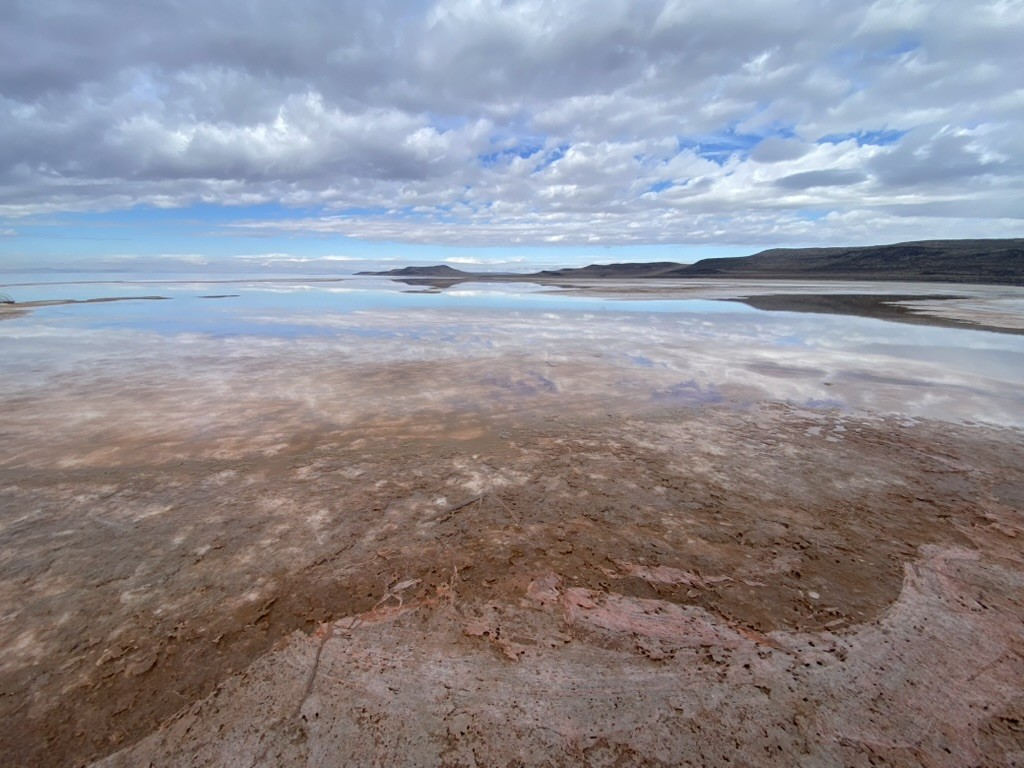
Together, they explain what makes this vast, shallow, salty lake so unusual. Brine shrimp and brine flies help feed birds traveling across the Western Hemisphere. The lake’s colorful waters reveal differences in salinity and biology. Even its smallest organisms have a story, including research into how salty microbes might help ice particles form in the atmosphere.
For skiers and snowboarders, the connections reach into the Wasatch. The guests explain how the lake supplies moisture and influences storms. As water levels drop, exposed lakebed becomes a source of dust. When that dust settles on mountain snow, it darkens the surface, absorbs heat and speeds melting, with consequences for spring skiing and the watershed.
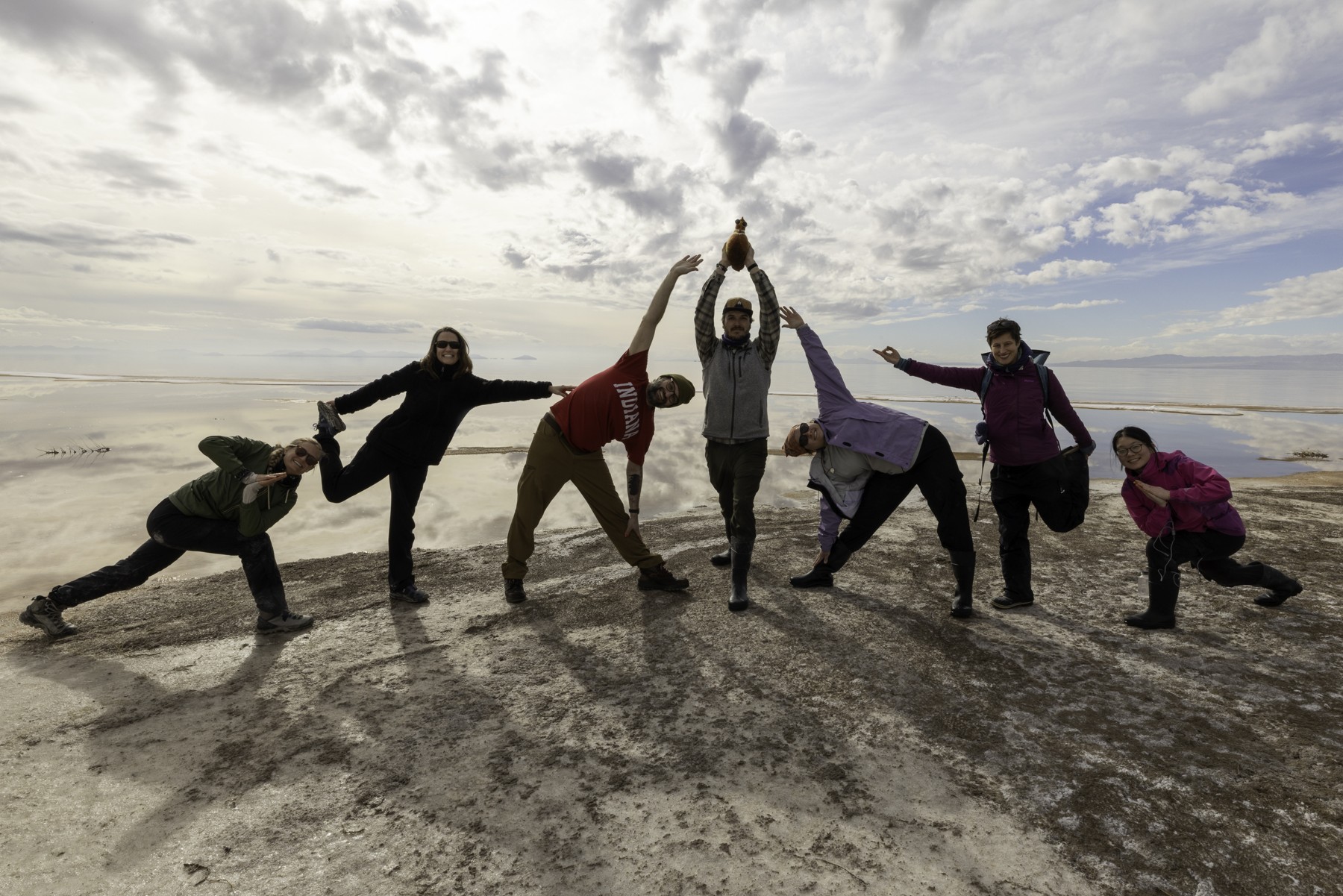
The solution begins with getting more water to the lake. But doing that requires choices about how water is used across agriculture, cities, and industry. Baxter describes the Institute’s role in bringing research to those decisions. Abbott outlines Grow the Flow’s work connecting citizens, scientists and community leaders to advocate for lasting change. Both see an important place for the ski industry in that effort.
There’s also an invitation to experience the lake yourself. Look out the airplane window on your next arrival. Spend a winter day at Antelope Island. Make the trip to Spiral Jetty and discover a landscape that changes with the water, salt and light.
The conversation closes with favorite lake memories and a vision of recovery: more birds, cleaner air, healthier water and better winters. For everyone who loves Utah’s mountains, this episode offers a reason to look downhill and get involved.
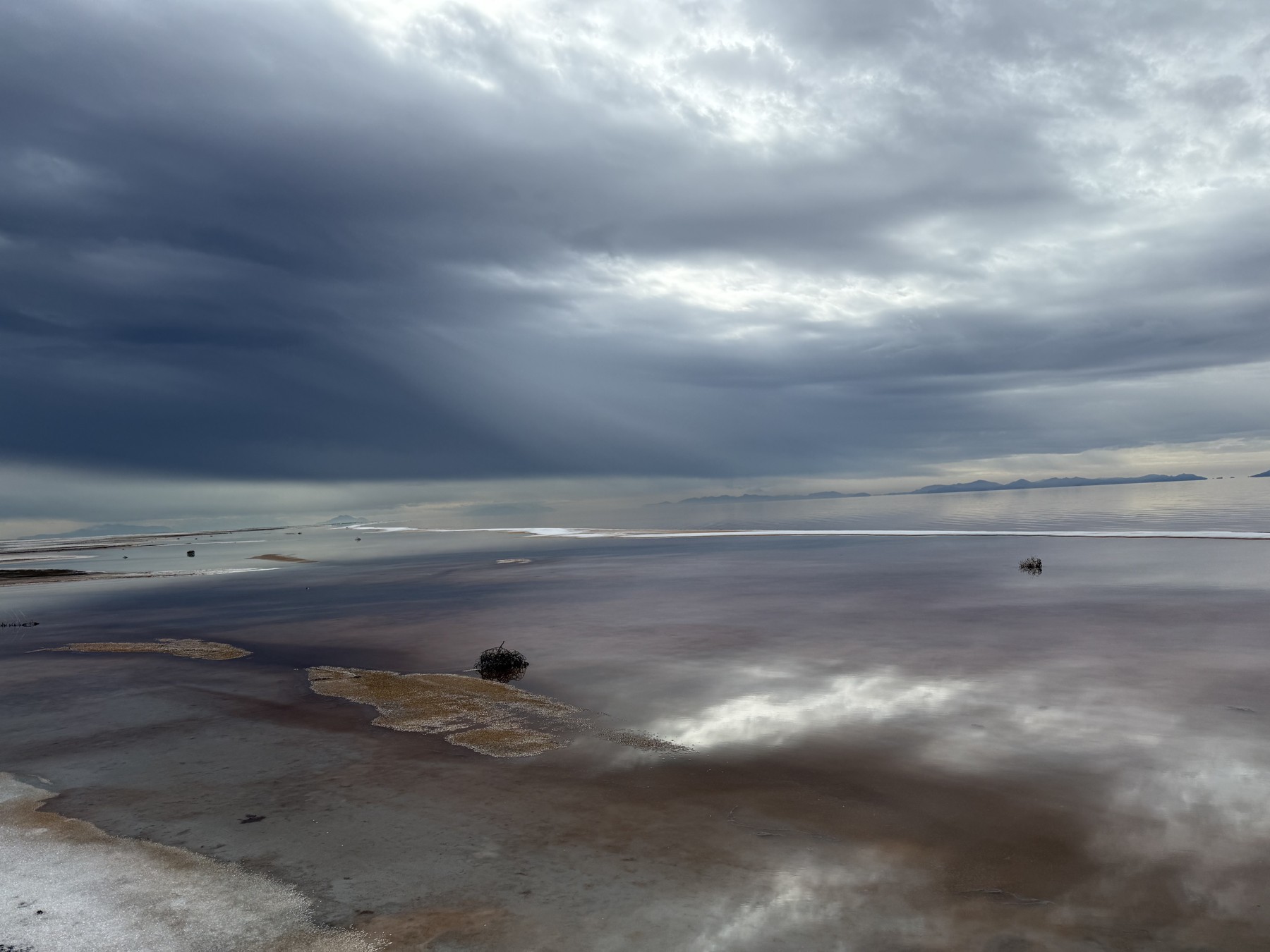
Great Salt Lake Institute
Based at Westminster University, Great Salt Lake Institute connects people to the lake through research and education. Established in 2008, it involves undergraduate students in scientific research while supporting community outreach, teacher resources and field experiences. Led by Dr. Bonnie Baxter, the Institute studies the lake’s distinctive ecosystem and brings scientific knowledge to conversations about its future. Its work helps students, decision makers and the public understand why this remarkable place matters to Utah’s future.
Visit Great Salt Lake Institute
Grow the Flow
Grow the Flow brings people together to get more water to Great Salt Lake. Led by executive director Dr. Ben Abbott, the organization connects science, public engagement, and policy advocacy to advance lasting solutions. It works with citizens, researchers, farmers, businesses and community leaders to build support for the lake’s recovery. Through local chapters, volunteer opportunities and legislative action, Grow the Flow gives people practical ways to participate in protecting Utah’s water, wildlife and communities.