The brisk winter temperatures have arrived, and for me, that always brings thoughts of warm soup, steaming mugs of hot chocolate, and cozy cups of tea by the fire. One thing I don’t think about when it’s cold out? Staying hydrated.
In the summer, drinking enough water is a no-brainer. Before every bike ride or hike, I pre-hydrate, plan my electrolytes, and sometimes even weigh myself to make sure I’m staying dialed in our dry Utah climate. But once winter hits, the demands of skiing, snowboarding, and cold-weather training bring their own challenges that you may not realize.
When the temperatures drop, you’re bundled in layers, you don’t feel sweaty, and the cold naturally reduces your urge to drink. So athletes start wondering: Do I need to drink as much water during the winter? How much should I drink while skiing? Can you get dehydrated if it’s cold outside?
The answer to all of the above is yes. Hydration may actually become more important in winter because your body provides fewer cues that you need it. Your brain senses less thirst, you still lose fluid through sweat under all those layers, and cold-induced diuresis increases your urine output without you realizing it.
To dive deeper into the science behind staying hydrated in the winter, I had the opportunity to sit down with Linda Scholl, DPT, MPT, doctor of physical therapy at University of Utah Health. Linda has vast experience in helping skiers and snowboarders improve their performance through her Ski Fitness Classes, which have been going on for over 20 years, experience that she has applied to the science of cold-weather hydration. Together, we dove into the research about cold-weather hydration to help skiers stay active and healthy here in the Wasatch.
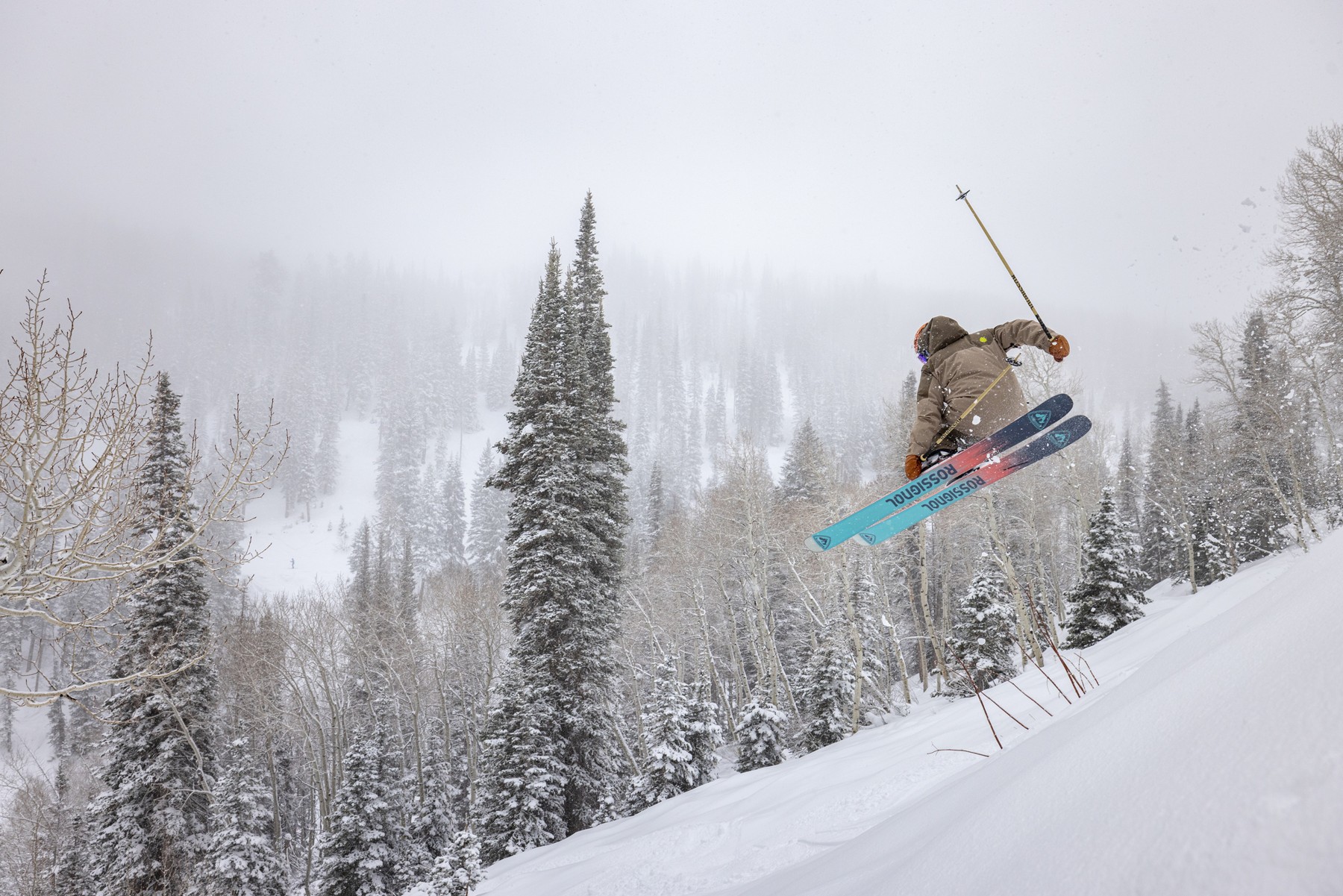
According to the American College of Sports Medicine’s environmental and hydration guidelines, cold weather suppresses the body’s thirst response, increases urine output through cold-induced diuresis, and promotes additional fluid loss through respiration as cold air enters your respiratory system. Winter clothing adds another layer: sweat often evaporates as steam or gets absorbed into clothing, making it hard to know how much fluid you’ve actually lost.
The way that physiological demands change in cold weather is fascinating. In the cold, your body prioritizes heat conservation by shunting blood flow out of your limbs and towards your core. This is an automatic thermoregulation response with the purpose of raising your core body temperature and, in turn, blood volume. This increase in blood volume signals baroreceptors, telling your body that there is increased pressure in your system, which your body understands to mean that there is too much fluid. The excess pressure triggers your kidneys to get rid of fluid (cold-induced diuresis). At the same time, your body reduces the amount of anti-diuretic hormone (ADH) secreted, which accelerates urine output due to hormonal triggers. Cold-induced diuresis, combined with decreased ADH, can eventually lead to a dehydrated state.
Hydration needs vary based on the type of skiing you’re doing. Alpine skiers typically experience intermittent bursts of high intensity with long rest periods on the chair lift. When alpine skiing, you also tend to wear heavier layers, which makes it hard to recognize sweat losses. One way that I have found it easy to stay hydrated on resort ski days is to stash a small collapsible water bottle like this in the interior pocket of my jacket. That way, I can have sips of water on the chairlift without having to go inside for breaks, and whenever I do go inside, I can refill it. It’s an easy way to stay hydrated without dealing with frozen hydration bladders or bulky backpacks.
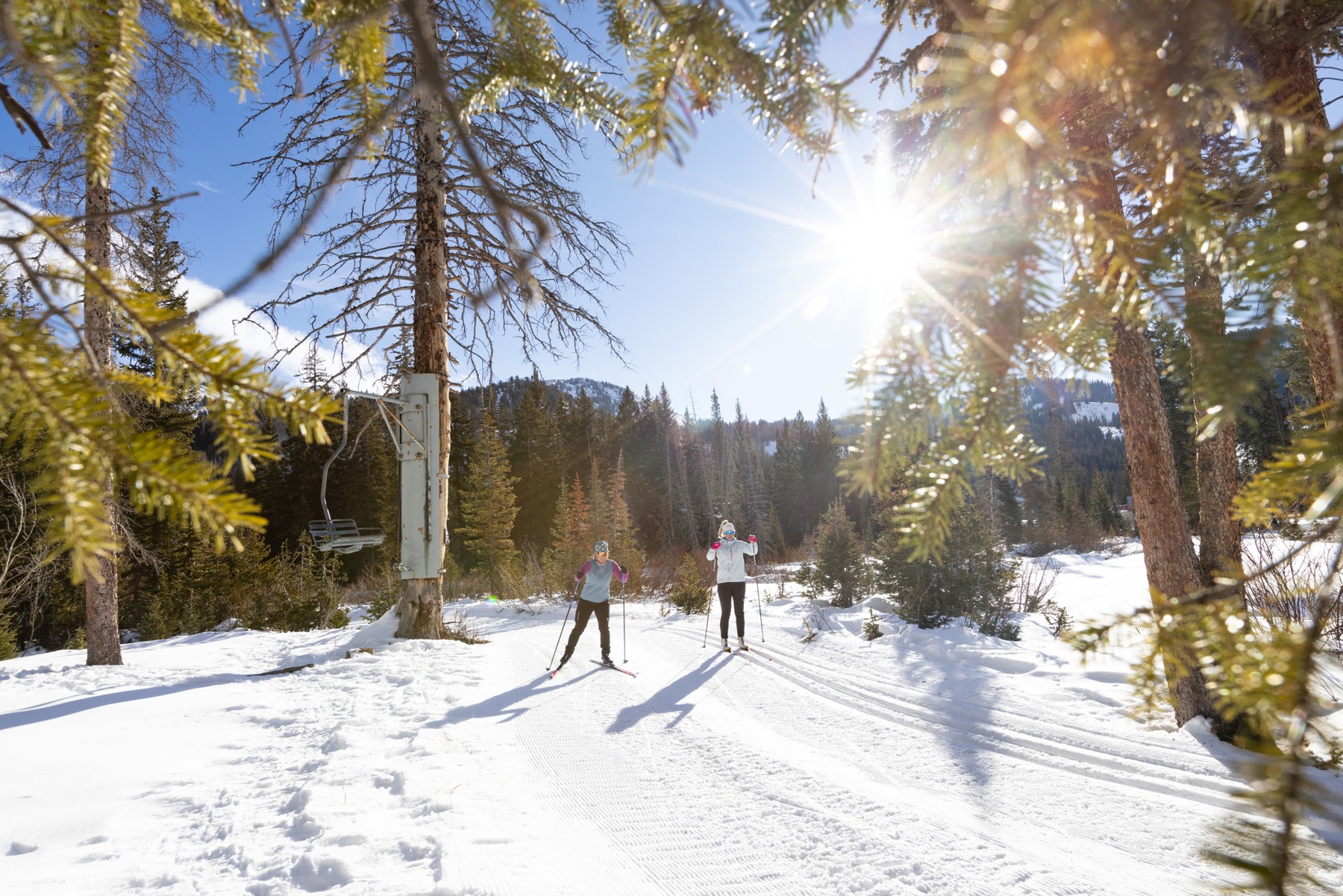
In contrast to resort skiing, Nordic skiers and backcountry athletes lose greater volumes of water while skiing. These sports lose significantly more moisture through sweat and higher respiration rates due to the higher aerobic demands of these sports. In order to reduce the risk of dehydration while doing these sports, thoughtful planning is essential. When Nordic skiing, I always carry with me a small water bottle attached to my back on a waist belt. Due to the location of the bottle on my lower back, it stays warm even on the coldest of days, as this is where I tend to lose a lot of heat/sweat (a phenomenon my husband refers to as booty juice).
When backcountry skiing, I have found it to be most motivating to drink when I take a large thermos of hot tea up the hill with me. When it comes time to transition, I sip some hot tea, change out of my sweaty shirt into a cozy dry one, and hydrate/snack while enjoying the views.
If you’re interested in even more information about cold-weather hydration, check out Episode 17 of the Sports Nutrition Playbook Podcast. In this episode, Registered Dietitian Amy Goodson reinforces that winter athletes should be drinking on a schedule, not based on physiologic cues. The episode highlights the importance of warm beverages in cold weather as a way to increase electrolyte intake even in cold temperatures. She also gives a recipe for a “warm smoothie,” which I haven’t personally tried yet, but I would love to hear from readers about their thoughts.
Taken together, the research, clinical insight, and practical coaching experience all express that winter hydration must be deliberate. Skiers who plan their intake before, during, and after training or recreation perform better, think more clearly, recover faster, and have safer days in the mountains.
How to Stay Hydrated While Skiing
Resort Skiing
Pre-Ski
- 16–20 oz of fluid 2–4 hours before skiing
- 5–10 oz about one hour before or on the drive up to the hill
During Skiing
- Sip 5–10 oz every 1–2 runs: I recommend using something like this
Post-Ski
- Replace about 150% of the estimated fluid loss
- Prioritize warm carbs + 15–25 g protein (soups, warm snacks, or hot chocolate with protein)
Nordic (XC) or Backcountry Skiing
Pre-Ski
- Begin hydrating early; start the day with light-colored urine
- Eat a meal with 16–20 oz of fluid 2–4 hours before
- 5–10 oz about one hour before or on the drive up to the hill
During Skiing
- Aim for 16–24 oz per hour, depending on intensity
- Rely on insulated bottles stored upside-down, warm electrolyte tea, or broth
- Wear layers to reduce unnecessary sweating
Post-Ski
- Rehydrate with warm fluids and electrolytes
- Choose recovery foods with carbs + protein (hot smoothies, yogurt-based blends, warm oatmeal with added protein, soup with noodles or potatoes)
- Monitor urine color or weigh yourself to gauge fluid replacement
Bundling It All Together
Cold-weather hydration isn’t intuitive. The science shows that the body loses fluids in the winter through mechanisms we don’t always feel, such as respiration, sweating, increased urination, and a suppressed thirst. Pair that with the demands of skiing at altitude and the absorbent winter clothing, and it becomes clear that staying hydrated requires intention and planning. Whether you're hammering out laps at your favorite resort or earning your turns in the backcountry, approaching hydration deliberately helps you ski stronger, think sharper, and recover better, all winter long.
Written in partnership with University of Utah Health.
References
-
Sawka MN, Burke LM, Eichner ER, et al. American College of Sports Medicine Position Stand: Exercise and Fluid Replacement. Med Sci Sports Exerc. 2007;39(2):377–390.
-
Rodriguez NR, DiMarco NM, Langley S. American College of Sports Medicine Position Stand: Nutrition and Athletic Performance. Med Sci Sports Exerc. 2009;41(3):709–731.
-
Maughan RJ, Watson P, Shirreffs SM. Implications of Active Lifestyles and Environmental Factors for Water Needs and Consequences of Failure to Meet Those Needs. Nutr Rev. 2015;73(S2):130–140.
-
Sawka MN, Cheuvront SN, Carter R. Human Water Needs. Nutr Rev. 2005;63(Suppl 2):S30–S39.
-
Castellani JW, Young AJ, Ducharme MB, et al. American College of Sports Medicine Position Stand: Prevention of Cold Injuries During Exercise. Med Sci Sports Exerc. 2006;38(11):2012–2029.
-
Thomas DT, Erdman KA, Burke LM. American College of Sports Medicine Joint Position Statement: Nutrition and Athletic Performance. Med Sci Sports Exerc. 2016;48(3):543–568.
-
Sawka MN, Cheuvront SN, Kenefick RW. Hypohydration and Human Performance: Impact of Environment and Physiological Mechanisms. Sports Med. 2015;45(S1):S51–S60.
-
Kenefick RW, Hazzard MP, Mahood NV, Castellani JW. Thirst Sensations and AVP Responses at Rest and During Exercise–Cold Exposure. Med Sci Sports Exerc. 2004;36(9):1528–1534.
-
Orysiak J, Młynarczyk M, Tomaszewski P. Hydration Status in Men Working in Different Thermal Environments: A Pilot Study. Int J Environ Res Public Health. 2022;19(9):5627.