I recently opined about how old is too old when it comes to skiing. Spoiler: If you’re reading this, you’re still in the game. But after people ask me what my favorite ski resort is, they ask me about fitness. Specifically, they ask, sheepishly at first, whether they are fit enough to ski Utah’s world-class slopes. There’s a lot packed into this question but before your inner Hal replies, "I’m sorry, Dave, I’m afraid I can’t do that,” let me convince you how and why you should get fit for the lift.
First and foremost, I am not a physician or physical trainer; I’m a recovering attorney in sight of 60 with asthma and osteoporosis (who still managed to ski 50+ days last season and 75+ the year before), which means although I have the coolest job ever, I’m not giving fitness advice, and you should seek out professionals to evaluate you’re own health and lifestyle choices. Once you’ve done that, you can peruse some insightful articles on the Ski Utah Blog about preparing for ski season, planning some exercises, and warming up before you head out. That said, in my most lawyerly manner, let’s discuss this so you can approach this rationally and realistically…and have some out-of-this-world fun.
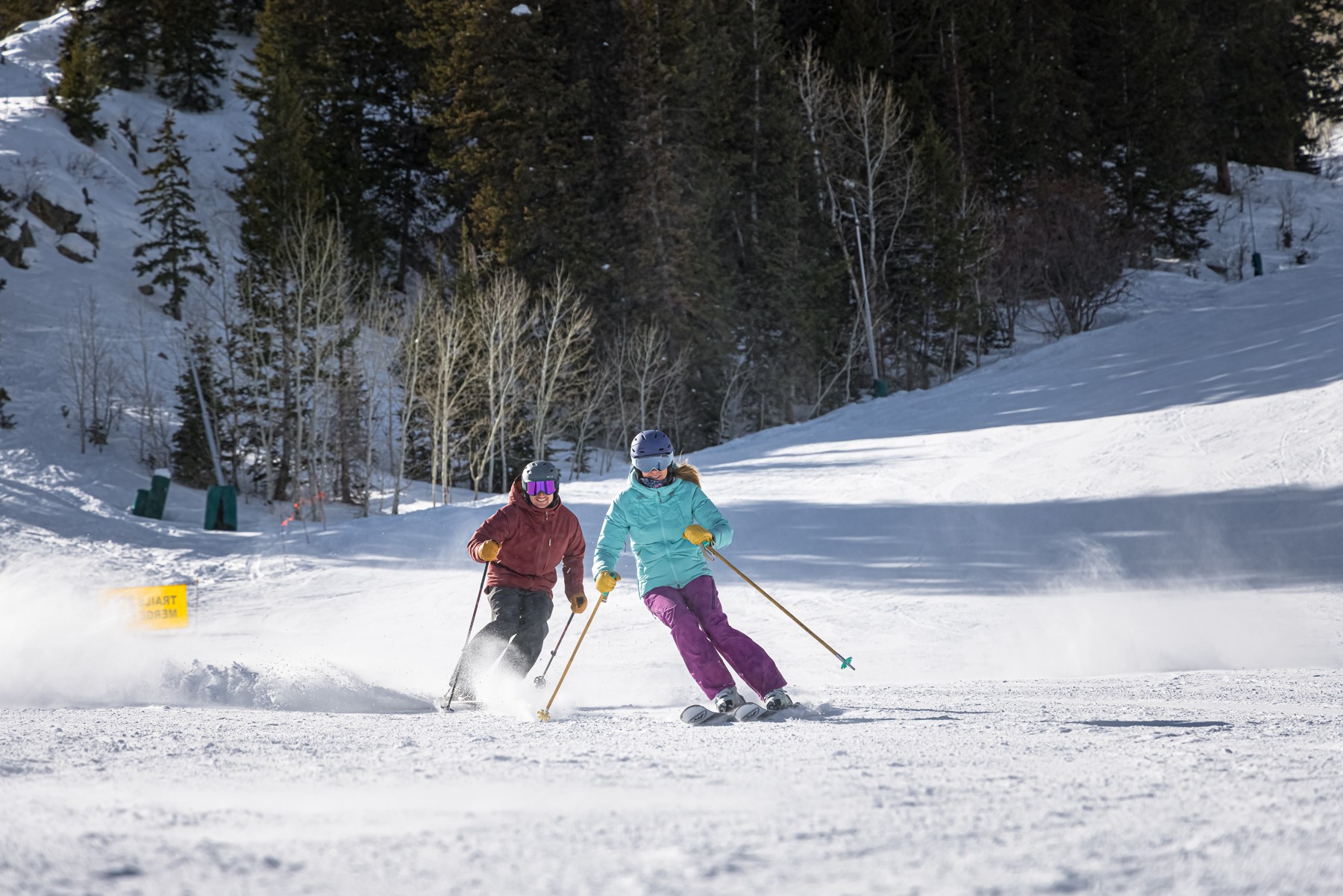
Why Defy Gravity
Sir Isaac Newton watched that apple fall from the tree and changed the way we look at the cosmos. Lounging under that tree, I saw a future snowboarder in that Schoolhouse Rock video. I mean, do skiers ever stay upright near a tree well? From there, Sir Shredder discovered and later posited a few laws over a few pints of ale with the bros regarding gravitation and motion.
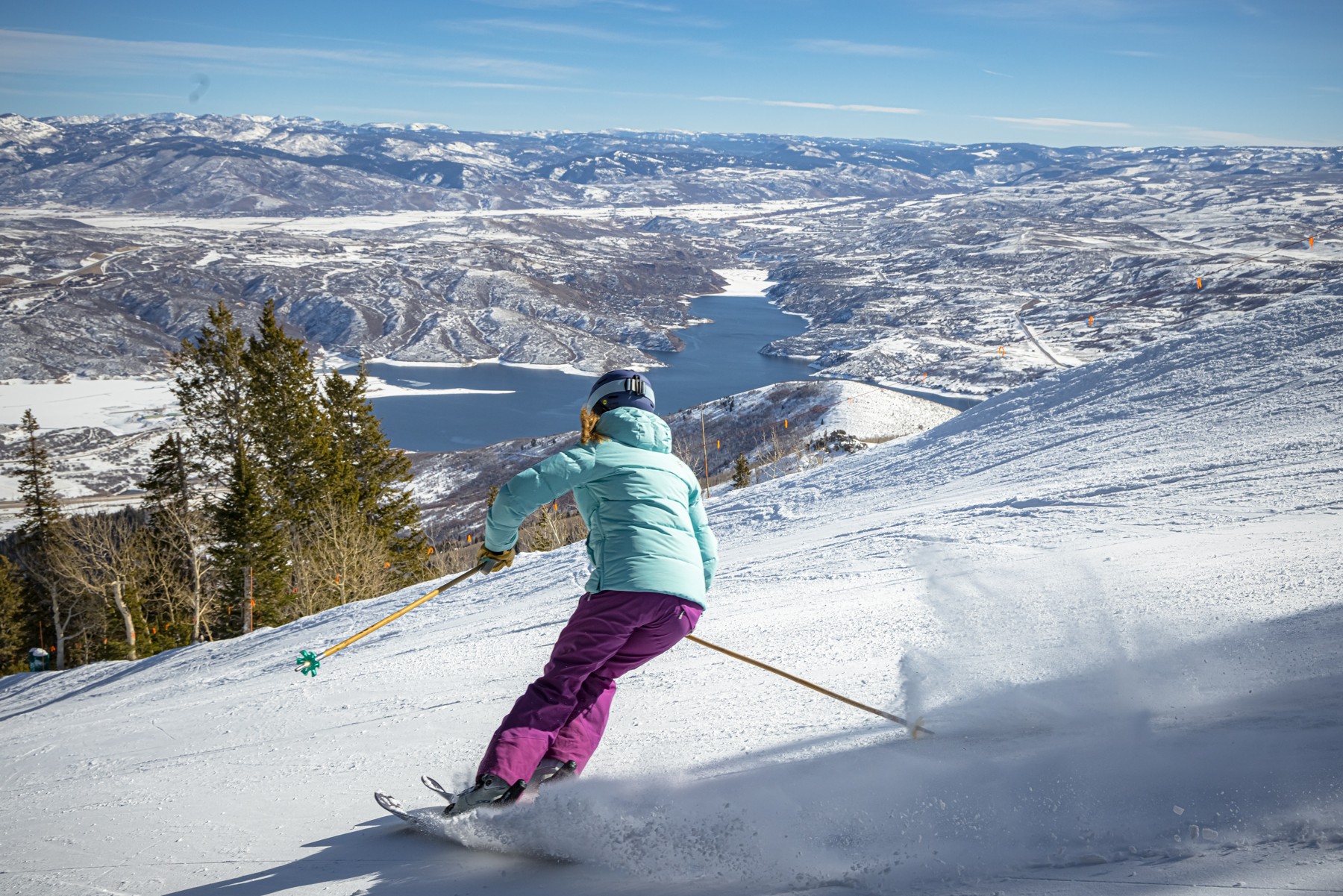
I’m not a rocket scientist either, but I experienced his First Law myself when I stood on skis the first time: “An object at rest remains at rest, and an object in motion remains in motion at constant speed and in a straight line unless acted on by an unbalanced force.” That was strangely comforting as a newbie adult skier. I’m not going anywhere until I’m ready. When I do eventually tip the skis downhill, gravity will carry me downhill. I can hear you mumbling about the ‘straight line’ and ‘unbalanced force’ parts, but just acknowledge that the Laws of Motion don’t reference excessive force, merely an “equal but opposite force.”
What does this mean? It doesn't take much force to move your body to the lodge. Toddlers who can barely stand are able to ski! You already possess many of the skills you need to ski – flexibility, balance and, yes, strength – and, if you feel you don’t, remember that they are important for living well in your living room, as well. Gravity keeps you in the chair, but you need these same skills to stand.
May the (Unbalanced) Force Be With You
I have a theory, borne out by my own experience, that when people ask whether they are fit enough to ski, they are also asking whether they are fit enough to fall. Legitimate question, but as Douglas Adams put it memorably in ‘The Hitchhiker’s Guide to the Galaxy,’ “It’s not the fall that kills you; it’s the sudden stop at the end.” But the answer is not to fear the fall. Research studies provide the seemingly counterintuitive conclusion – learn to fall better.
Falls are extraordinarily common, especially as people age, and often happen while doing mundane things, with 60% happening at home. Skiing might be the least of your worries! I’m aware that when I get out of bed in the middle of the night in a dark room, I step onto the floor one foot at a time and slowly rise before walking, sometimes leaning on a bed for support. Am I frail? No, but I do try to learn skills to mitigate risks, whether skiing, biking, or getting a midnight snack. There are classes and exercises that teach people fall prevention, but, more importantly, teach them how to reduce impact and injury. Falling isn’t something to fear, but control. This is not just a ski issue, but a lifestyle one.
The other way to lessen the risk of falls on and off the mountain is by improving balance and stability. As someone who can do mountain pose (standing on one leg with the other foot tucked into my knee) effortlessly, I thought my balance was great. “Now, close your eyes,” the physical therapist said. Nearly toppling to the floor instantly, I realized my midnight snack run to the kitchen was more dangerous than the Cirque Traverse at Snowbird. After just four days of some simple exercises to improve stability, I was able to balance on one leg with eyes closed for over 45 seconds.
“I Am Groot!”
Are you fit enough to…among other things, ski? The better question is, “How fit can I be on and off the slopes?” It doesn’t matter whether you’re starting on the bunny hill or returning to the gym, strength, stability and balance are your guideposts for healthy living. Know your strengths, and don’t fear any weaknesses. "I am Groot," and, whatever that means, that's pretty wonderful. Wherever you are, keep moving forward. Boldly go where you haven’t gone before.