words by Melissa Fields
Winter is almost here and anticipation for another abundant winter (fingers crossed!) is likely a hot small talk subject in workplace break rooms, grocery store check-outs, and at gyms across Utah. Though it’s tempting to while away fall’s last days leafing through gear catalogs or doing lunges around your living room, now is also the perfect time to dust off both your snow blower and your skis to get them ready for the season ahead. Following is a pre-season checklist of easy, but key, tasks for both your snow blower and your ski or snowboard gear that will go a long way in ensuring that, when the snow does finally come, you're first in line at the chairlift rather than spending the morning in your driveway with your shovel.
Fresh Fluids and a Tune
Like your car, your snow blower requires a basic oil change annually to make sure its engine stays lubricated and running as efficiently as possible. The good news is that this task is much easier than changing the oil in your car and can easily be done at home in less than 30 minutes by anyone who knows how to turn a screw. The basic steps involve disconnecting the spark plug, removing the drain plug at the bottom of the engine, draining the oil into a catch pan, replacing the drain plug, and then refilling the oil reservoir with the manufacturer’s recommended oil. This video from Ariens® offers a step-by-step tutorial on how to get the job done. (Be sure to also dispose of the used oil at one of Utah’s many recycling centers.) Once the oil has been replaced, fill the tank with unleaded gasoline with a minimum octane rating of 87. Additionally, the gas should be no more than 30 days old. (Tip: Run your snow blower’s gas tank to almost empty at the end of each winter season.)
If you perform only one act of TLC for your skis or board, make it a full tune–it boosts performance and safety while extending your gear’s life. Performed either by a machine or by hand, a typical full tune sharpens the edges for better grip and control, repairs and smooths the base/s for better glide, and includes a wax application for faster, more effortless sliding. The difference between a machine tune versus one done by hand comes down to preference: a machine tune results in a more consistent base whereas a hand tune is favored by those looking for customization in both how they use their equipment and snow conditions. In Utah, full tunes range from $55 and $85, with many shops offering discounts in September and October.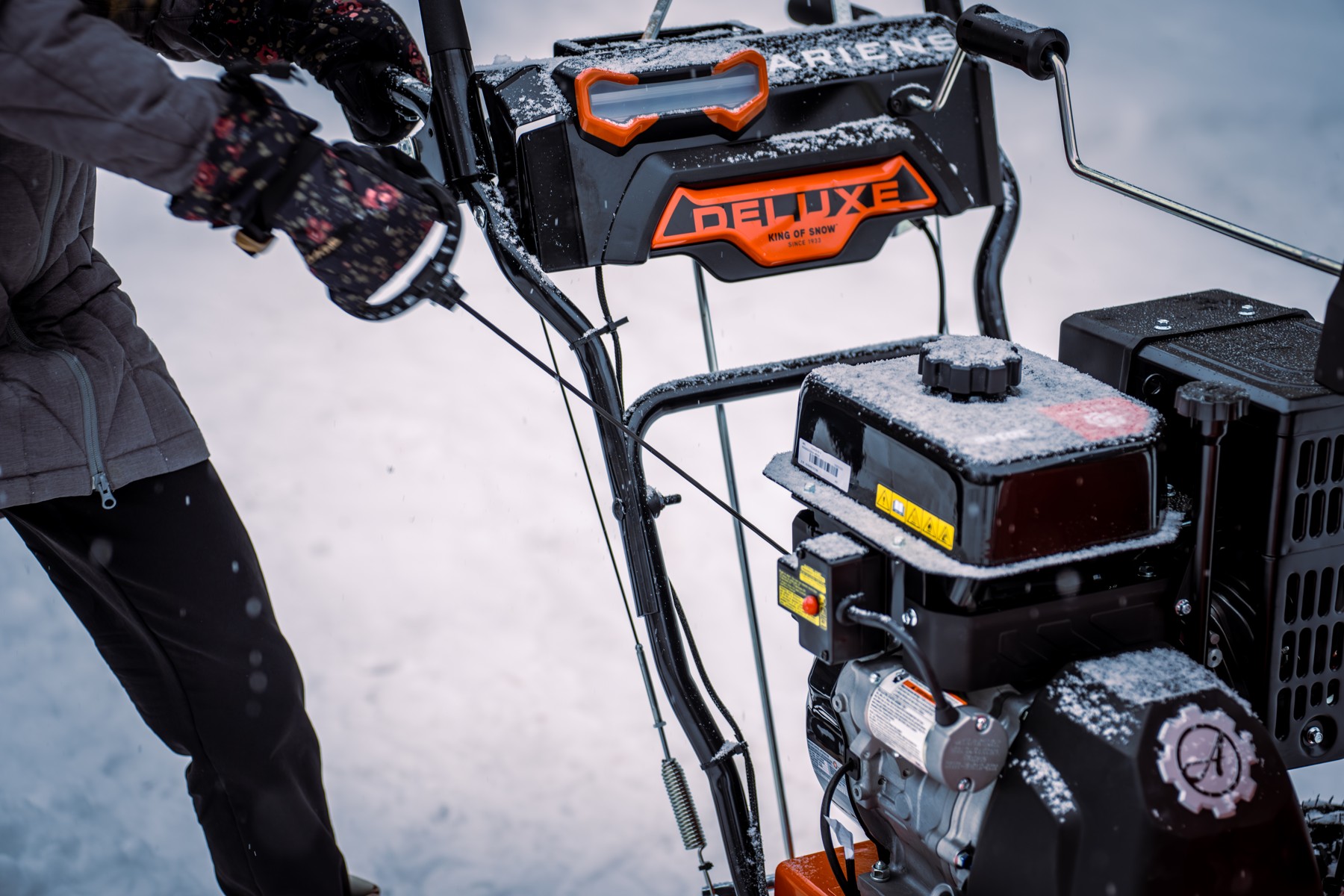
Skid Shoes and Boots
Snow blower skid shoes hold the machine’s housing at the correct height (generally a quarter inch above the ground), protecting both the scraper bar and your pavement. Designed to wear with use, skid shoes come in steel or polycarbonate versions (the latter is ideal for more delicate surfaces like pavers), and generally need a seasonal adjustment or replacement. This video by Ariens® offers simple instructions for adjusting and changing out snow blower skid shoes as well as how to adjust or replace the scraper bar.
Hopefully you stored your ski or snowboard boots with the buckles buckled over the winter. Check the hardware (screws and rivets) to make sure each is hand-tight, especially on touring boots that tend to have many moving parts. Remove the liners to check for any thin spots or if pests have made themselves at home there over the summer. Use a damp microfiber cloth to clean the inside and outside of boot shells and the liners. You can hand wash boot liners in water and mild soap if necessary but never wash them in a washing machine. Make sure everything is completely dry before replacing the liners back into the shells. Check for sole separation or cracks in snowboard boots, and reseal with a waterproof, flexible shoe sealant like Aquaseal.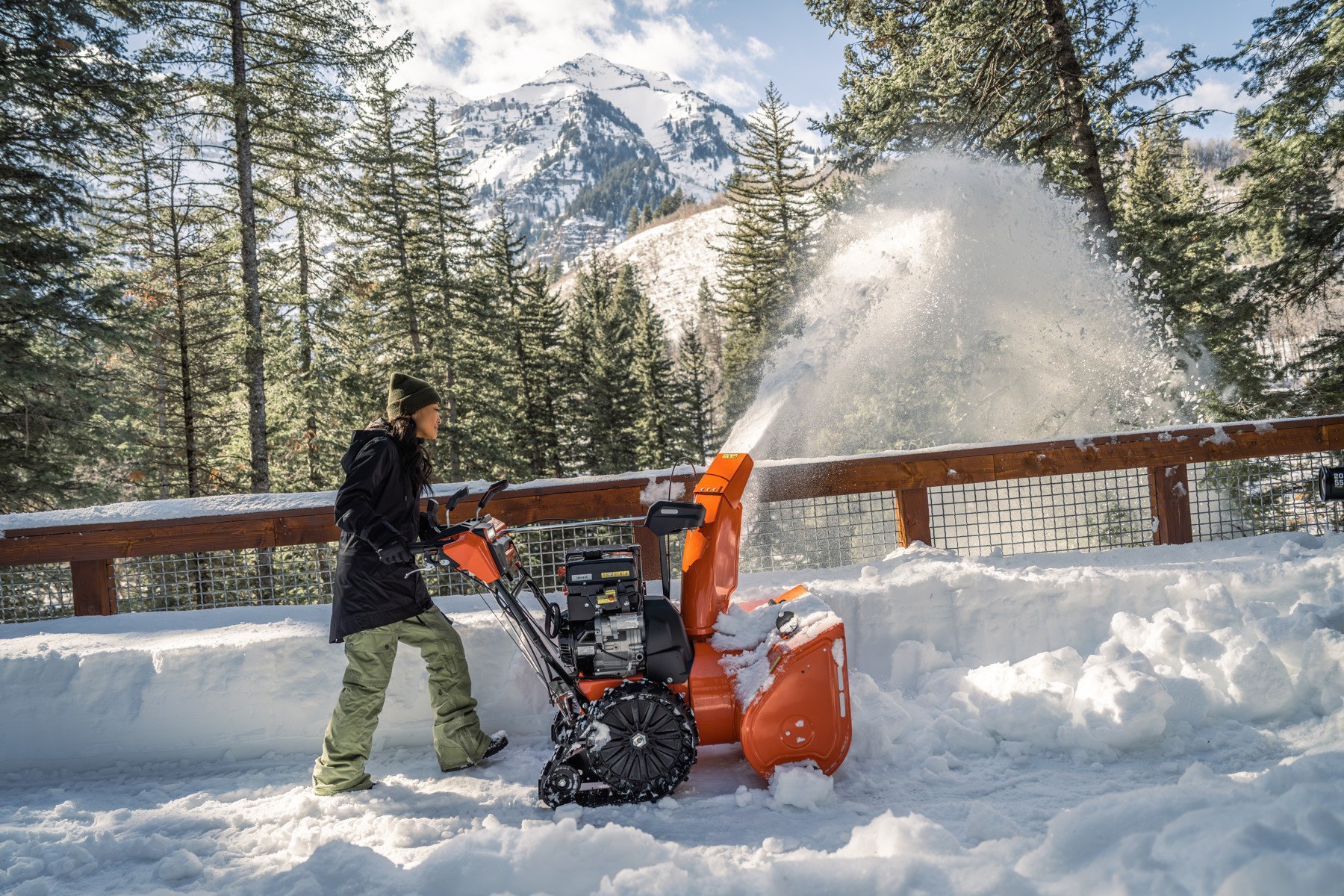
Spark Plugs and Outer Layers
Snow blower spark plugs are a cinch to change and should be replaced, like the oil, every year. Many snow blower engines are covered with a protective housing attached with two or three screws. Begin by removing this housing and locating the spark plug wire, a short, coil-looking wire with a hollow cylinder at the end. Pull the wire firmly, but don’t yank, to expose the spark plug. Then unscrew the plug with an appropriately sized socket wrench and pull it out. Be gentle putting in the new one; it should turn easily for the first few full spins. Use the wrench to snug it down. Pop the wire back on and make sure it's snug, too. And you’re done!
Finally, before throwing on your snow pants, jacket, gloves and helmet and heading up to the mountain, check for and repair any rips or tears with a sealing tape like Gear Aid’s Tenacious Tape. Use a technical gear detergent or a wash-in water proofer like Nikwax to give your outer layers a refresh. And check your helmet for cracks and worn inner padding – ski/snowboard helmets should be replaced every three to five years or immediately after just one crash.
You can find even more snow blower maintenance tips at ariens.com. Because, after all, dialing in your snow moving machine ensures it will roar to life when you need it most. Then, with one big job already handled, and having your ski or snowboard gear at the ready, you’ll be free to hit the slopes the minute the mountains turn white.
content sponsored by Ariens