You might not believe me yet, but stick with me. I interviewed Linda Scholl, a physical therapist at the University of Utah Health Orthopedic Center, and asked her how an average person can go from “couch to slope” without a crazy, multi-day, hours-long gym routine. The key, according to Scholl, is to start thinking about everyday movements as opportunities to build the strength, balance, mobility, and endurance you’ll need once you click into your bindings. She says, “You don't need to completely reinvent your fitness routine. You just need to be intentional about adding a few ski-specific movements to what you’re already doing.”
Here are four things Scholl recommends working on.
Squat More - Seriously
If Scholl wants skiers to practice one movement, it’s the squat. This can sound intimidating, but think about how often you already squat during the day: picking up groceries, lifting a toddler, grabbing something from a low cabinet, or wiping up a spill.
Those everyday movements are opportunities to strengthen the same leg muscles you’ll rely on when you’re skiing. The trick is to focus on good form - knees over your toes, back straight.
Here’s how you can turn these everyday activities into mini workouts.
- Getting out of a chair? Squat training.
- Getting up from the floor? Try doing it without using your hands.
- Playing with the kids? Add some lunges.
- Cooking dinner? Knock out a few squats while you wait for the oven to preheat or the water to boil.
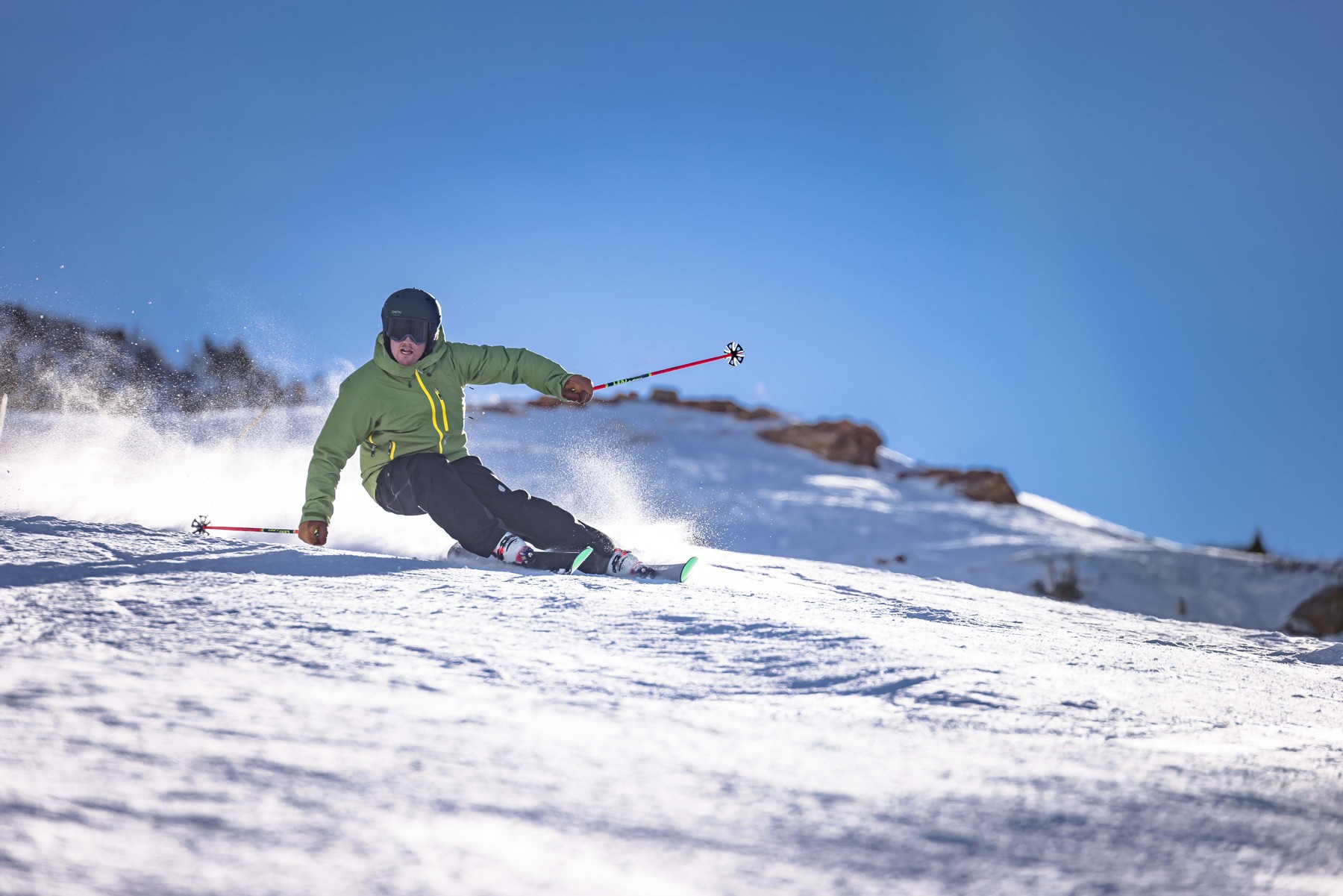
Beef Up Your Balance
Balance is one of those skills you can easily overlook until you're suddenly standing on a slippery surface in ski boots.
The good news? You don't need a balance board or fancy equipment. Scholl wants you to: “Start by standing with your feet together and your arms crossed. Can you comfortably maintain your balance with your eyes open? Then try closing your eyes.”
From there, progress to standing on one leg for 30 seconds to a minute. Eventually, add movement like turning your head side to side, changing your position by leaning forward, hinging at the hips, or try different poses (for the yogis reading this).
Scholl explains that your brain uses information from three primary systems to help you balance: your vision, your inner ear, and the sensory information your body gets from the surface beneath you. Skiing challenges all three.
Here’s how to practice balance in everyday life before you put on your ski boots.
- Stand on one leg while waiting for the microwave.
- Stand on one leg while brushing your teeth.
- If you already do yoga, experiment with different poses.
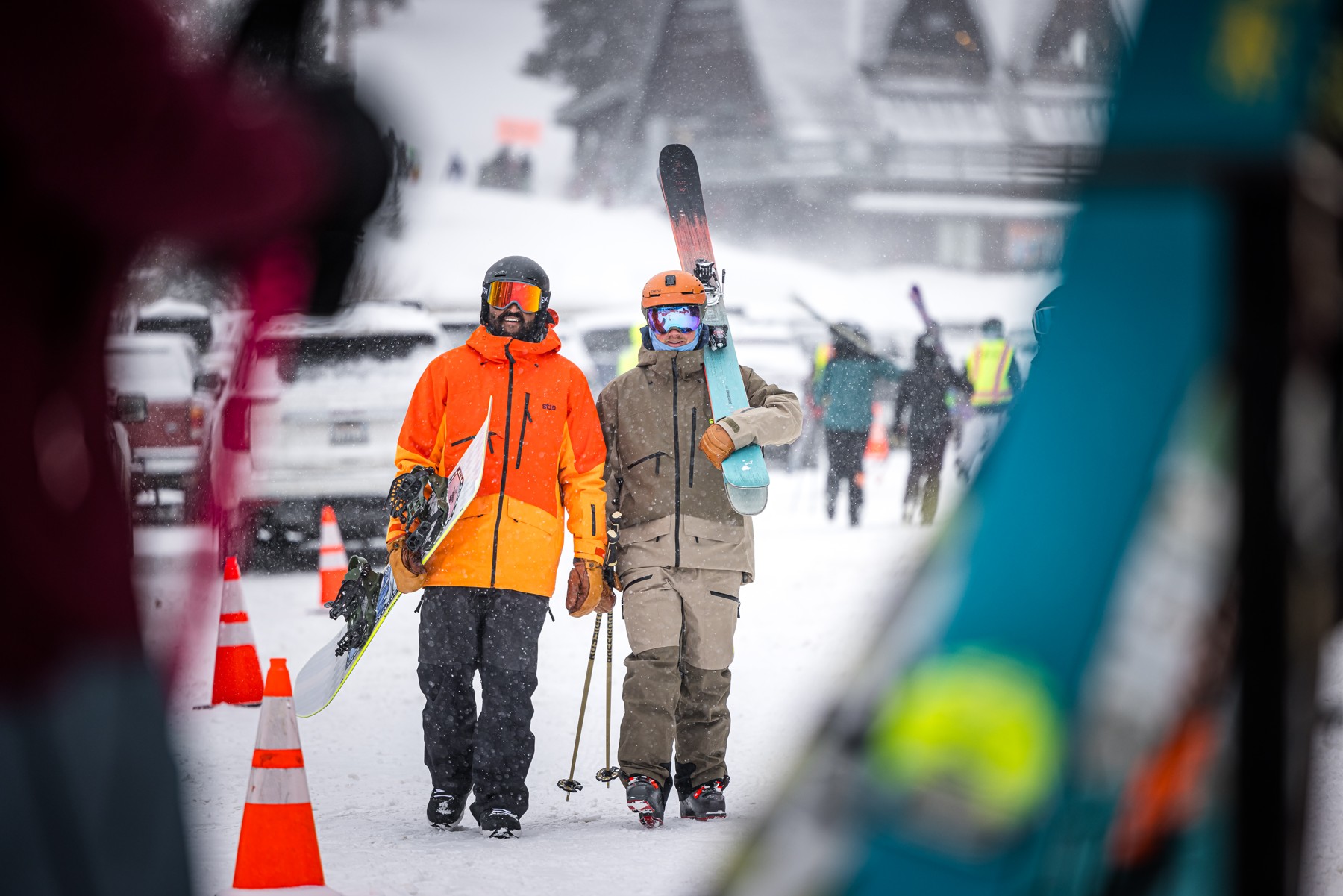
Core Is Critical
A strong core isn't just about six-pack abs or cranking through planks. It helps you stay stable while you're moving, turning, and absorbing changes in terrain.
Scholl recommends working toward holding both a front plank and a side plank on your toes for two minutes. Don’t freak out! And don't worry if you're not there yet. Scholl says, “Start with what you can do now, and gradually increase the amount of time you can hold the position while maintaining good form.”
No extra time? No worries.
- Watching TV? Do some side planks during commercials.
- Playing with the kids? Make your plank part of an obstacle course.
- Is reading part of your bedtime routine? Read a few pages in a plank.
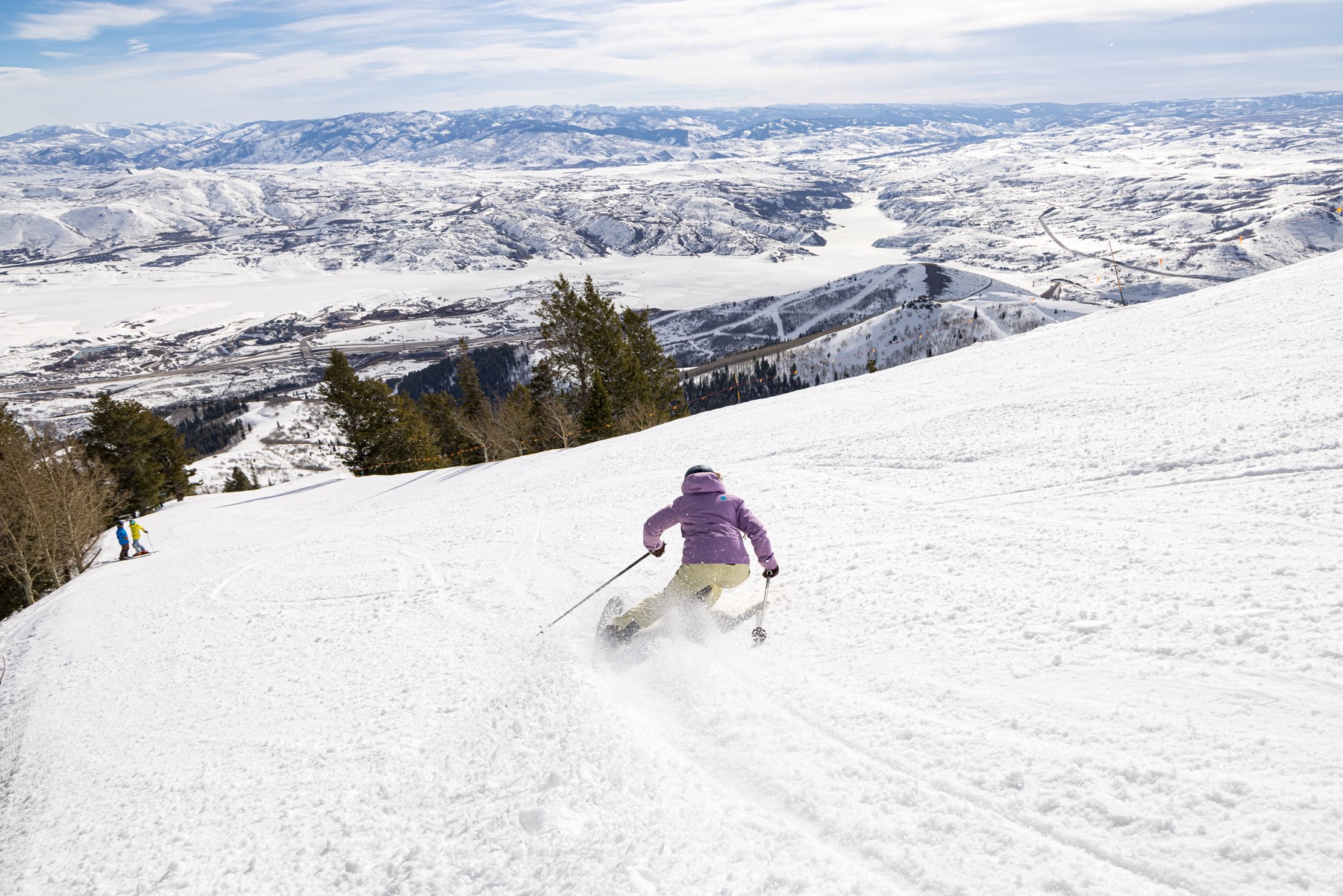
Don't Forget Your Cardio
You don't need to become a marathon runner to improve your ski fitness. The World Health Organization recommends regular aerobic activity for adults, with a general target of at least 150 minutes of moderate-intensity activity per week. But Scholl's message is perhaps even more useful for the average person. She says, “Anything is better than nothing.” A brisk walk beats no walk. A light jog is better than no jog.
Most people get in a couple thousand steps a day.
- Walking with a friend? Pick up the pace for a minute (repeat as often as you’d like).
- Walking the dog? Add a weighted vest.
- Heading to or from an office? Take stairs instead of the elevator.
You don't have to completely change what you're doing. Just gradually make it a little harder.
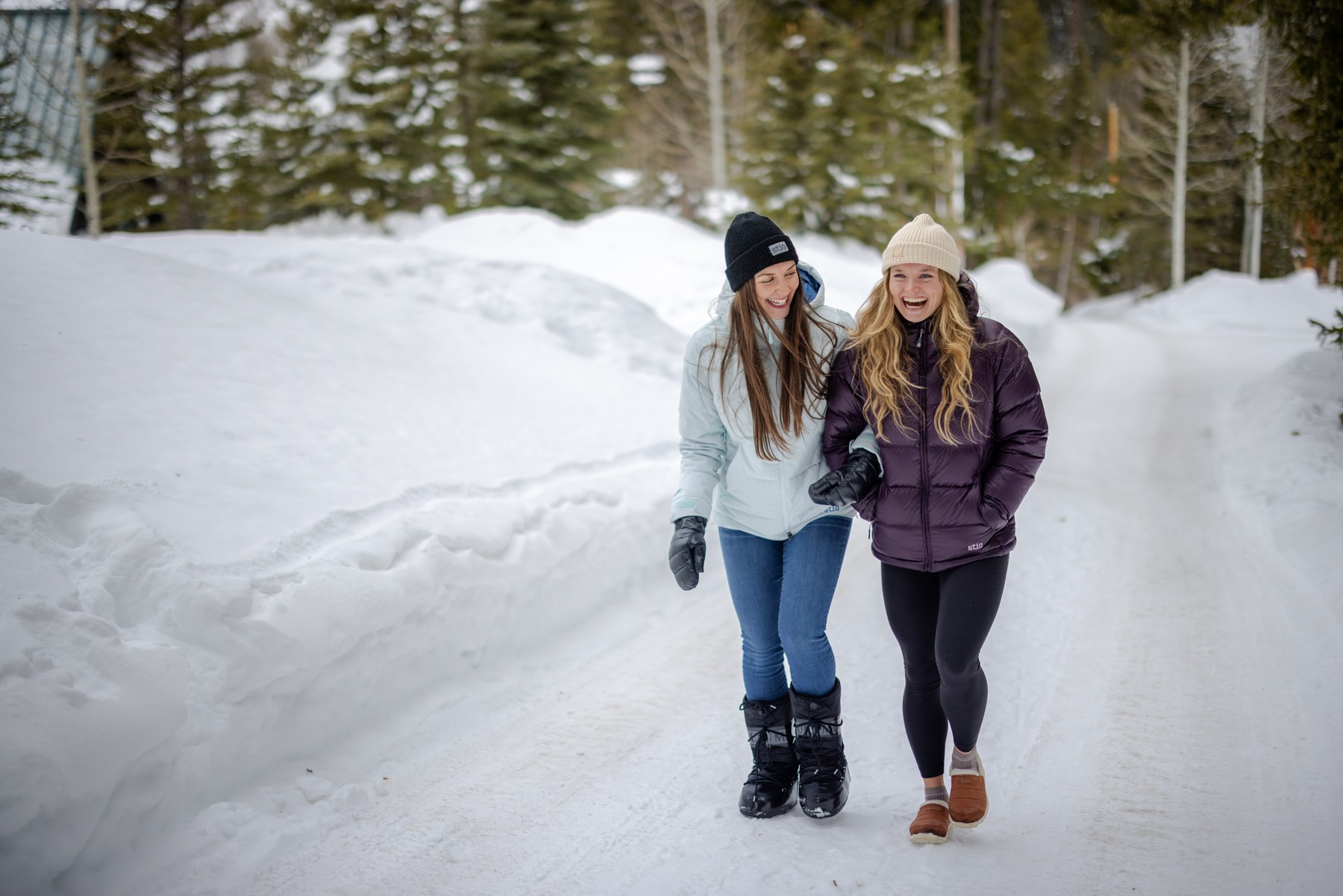
Perhaps the biggest takeaway from Scholl's approach is that pre-season preparation doesn't have to mean completely changing your lifestyle. Think in minutes, not hours.
- You can add strength while getting out of a chair.
- You can work on balance while brushing your teeth.
- You can build endurance while walking the dog.
- You can practice lunges while playing with your kids.
The mountain will be there when you arrive. Your goal is to make sure your body is ready to enjoy it.