Years ago on a full whiteout day at Sundance, my friends and I stopped mid-run on Back Mountain to wait for someone. We were inbounds, on a little rise that usually looks out over the out-of-bounds ravine below. On that day we could not see anything beyond a few hundred feet.
Somewhere out in the storm a low rumble started. It was low, and subtle, but quickly got louder until all of us knew exactly what we were hearing…an avalanche!
We were totally safe inbounds, nowhere near the slide path. And honestly, it’s not a dramatic story, I mean we didn’t even see the avalanche. On its own, it’s kinda mundane.
But even a simple moment like that can be profound. It reminds you how alive the mountains are in winter, how snow moves, how terrain shifts, and how even inside a resort, slides can happen. And it’s a good nudge that knowing the basics of avalanche safety is for anyone who steps into snowy terrain.
That is why I reached out to Jeremy Collett, avalanche awareness coordinator and educator for the Utah Avalanche Center and a key educator with Know Before You Go (KBYG). I wanted to know with winter lining up, what do Utah skiers, riders, hikers, and families actually need to know before they ever step into snowy terrain this year?
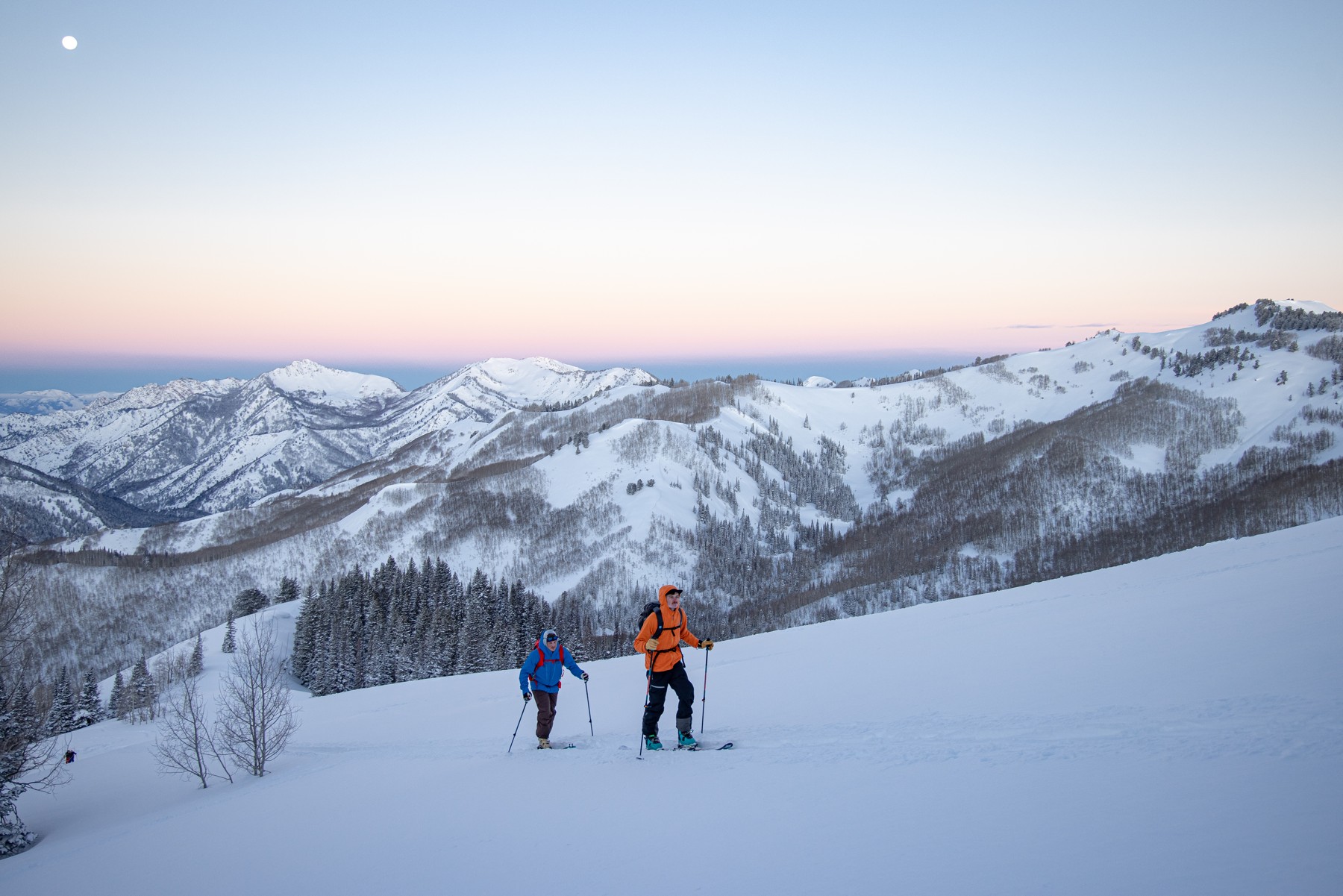
Who Is Jeremy In The Snow?
“I am an avalanche awareness coordinator and educator for the Utah Avalanche Center,” Jeremy told me. “My job is to coordinate avalanche awareness events such as Know Before You Go presentations and promote avalanche awareness through free community events like posting up at popular trailheads in the winter and hosting free community avalanche rescue clinics.”
In other words, he is often the person standing at the trailhead or in a school auditorium, giving people the tools to have fun and, most importantly, come home at the end of the day.
For Jeremey, it's the lightbulb moments of the people he teaches that brings meaning to his work.
“A moment that really cemented why this work matters to me is any time I see a student’s eyes light up at a Know Before You Go presentation as they begin to understand how some simple steps like reading the avalanche forecast or recognizing avalanche terrain can make a huge difference in keeping them safe in the mountains in the winter time.”
Simple steps lead to big impacts, this is a common theme of the article.
Avalanches Do Not Care What Is On Your Feet
A lot of people still think avalanche education is only for hardcore backcountry skiers, splitboarders, snowmobilers and other extreme sports. Jeremy shut that down pretty quickly!
“It does not matter if you are a skier, snowboarder, snowshoer or hiker. Anyone who interacts with snow covered mountains or hills needs to learn how to avoid getting caught in avalanches.”
Every season, somewhere in Utah and the surrounding states, hikers and snowshoers are caught and sometimes killed in avalanches. Many of the case studies used in KBYG are not from dramatic film lines. They are from “seemingly benign terrain” that looked mellow and familiar, the kind of slope families might walk up for a view or sledding hill.
That is why programs like Know Before You Go exist. Within the duration of about an hour, KBYG introduces people to how avalanches form, where they happen, and how to avoid them. It is free, and widely offered in Utah each winter. And it’s designed as the first step in a bigger education journey. They even offer courses online, which means you literally have no excuse not to become more prepared.
Powder, Feelings and Familiar Mistakes
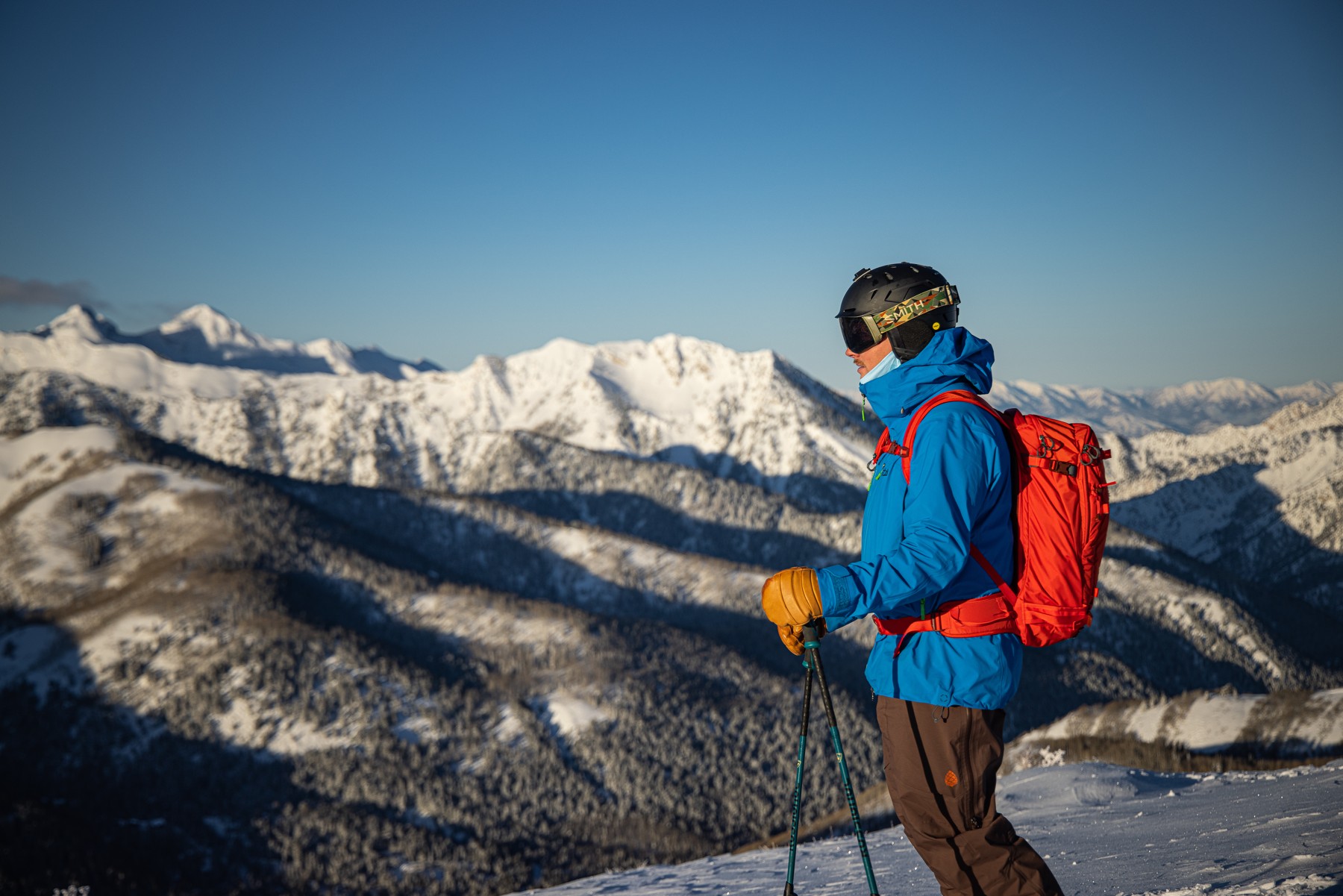
“Powder is a heck of a drug,” Jeremy said, and every Utah skier reading this knows that all-too-well!
“All too often people let their excitement for powder and good riding overcome good decision making...A huge part of our awareness programs is to instill processes that make people less susceptible to making emotionally based decisions, like bad decisions fueled by the desire to ski the best powder.”
That word is important…Process. It’s not a complicated formula. Simply put, it is a mindset you need to adopt for winter. Here is a simple process you can follow before heading out in the snow:
-
Check the Utah Avalanche Center forecast before you go. Get in the habit of checking it daily, even on days you aren’t hitting the slopes.
-
Match your plan with the day’s danger rating and problem types. If nothing is safe, then don’t go! It’s really that simple. Check out danger ratings here.
-
Choose terrain that fits the conditions and your group's ability levels.
-
Reassess when the weather shifts or the snow starts talking back. “Gut feelings” matter, listen to them.
If you are new to touring or just curious about more adventures in the backcountry, this is where KBYG shines. It gives you a framework before you ever click into a binding outside the resort ropes.
What a Dialed Winter Group Actually Looks Like
Avalanche gear is vital, the beacons, shovels, probes, radios, airbag packs…all of it is important. But none of them fix a bad decision that was made an hour earlier.
So I asked Jeremy what a dialed group looks like in practice.
“A dialed backcountry group is a group that is prepared and has a plan of where they are going to go and most importantly where they are not going to go...I am a huge fan of agreeing on terrain we are going to avoid as a group so we all hold each other accountable to stay out of that terrain.”
That “not going” list might be the most protective tool you have all season.
Jeremy also emphasized communication. Actively talking about what you are seeing, and making sure everyone is on the same page.
“Every group member has a voice and solid groups respect each other’s opinions. I love when members of my group verbally highlight what they are seeing such as red flags or snow and weather observations. This creates good discussion and makes sure we are all seeing the same things.”
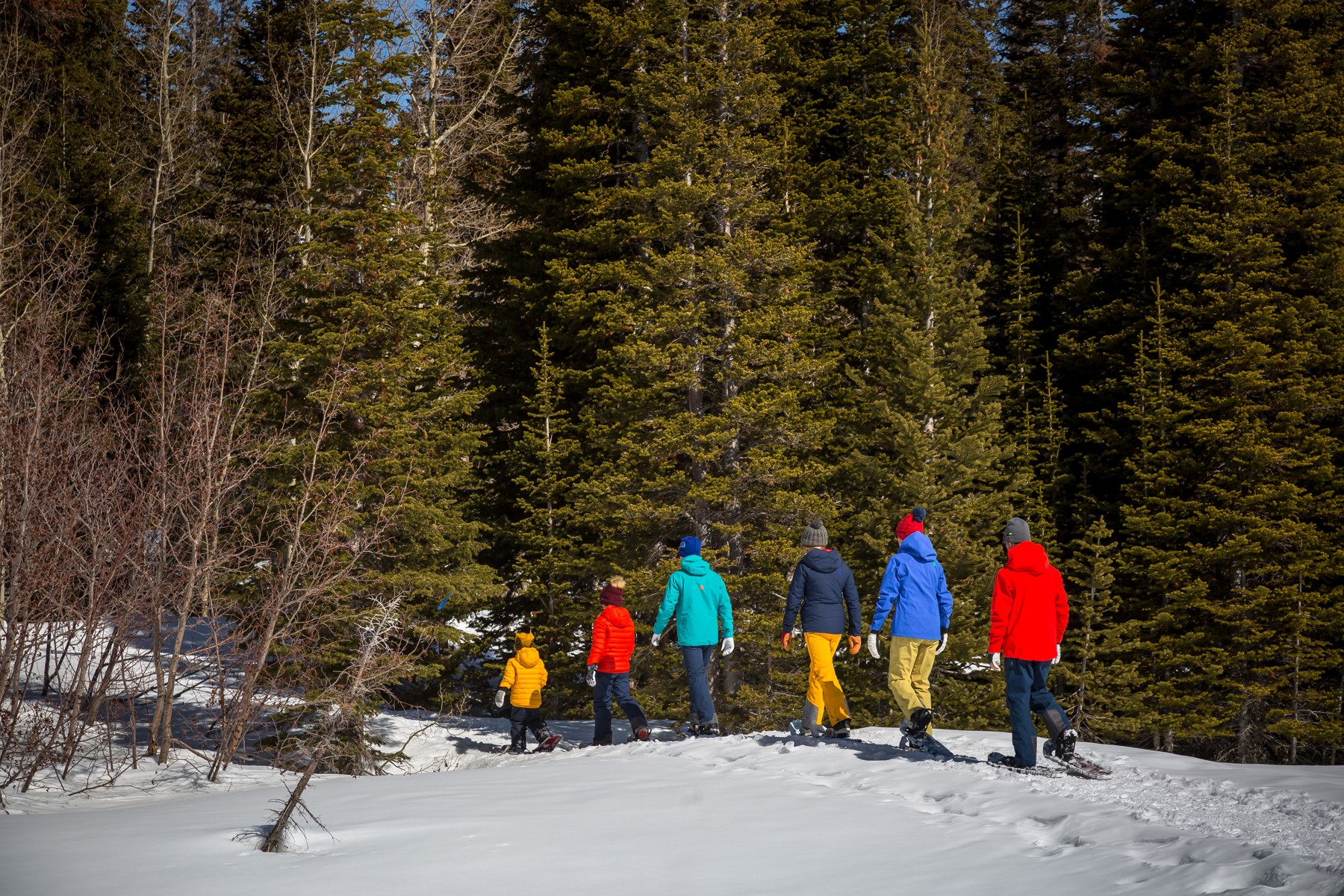
That mindset works anywhere it snows in Utah or any state that gets snow. Touring in Little Cottonwood, snowshoeing a popular canyon, poking around low-angle meadows near a resort, riding the sidecountry gate on a deep day, even getting out for a “quick” walk by the river with friends or family. Good groups talk early and they talk often.
If There Was a Sign at the Mouth of Every Utah Canyon
I asked Jeremy a simple question...If you could put one message in front of every person driving up a Utah canyon in winter, what would it say?
His answer,
“You are entering avalanche terrain and you could die here.”
It sounds harsh at first, but it is honest. A lot of folks do not recognize the consequences of traveling in avalanche terrain, or even realize they are in it at all. It’s easy to get lost in the beauty of the deep powder and the snow covered pines. The risk can feel invisible until it isn’t.
“The reality is anyone who is heading into snow covered mountains should have basic avalanche awareness,” he said. The good news is that it is very achievable to get started!
What You Can Do This Week And Season To Be Safer
While we all watch the early season storms stack up, this is the perfect time to invest a little bit in your winter wisdom.
Jeremy’s suggestions are simple and very doable:
-
Take a free Know Before You Go class. There are presentations and community events happening across the state each season, often in partnership with ski shops, universities, and local organizations.
-
Hit the KBYG eLearning content at KBYG.org. Short modules, videos, and resources you can work through at home.
-
Start reading the Utah Avalanche Center forecast now. Even before you tour, get in the habit of checking the forecast every winter morning.
-
Review your notes from previous avalanche classes if you have taken one.
-
Practice rescue. Head to a beacon park or set up a simple practice with a friend once the snowpack allows.
-
Consider a formal avalanche class. Recreation Level 1, Avalanche Rescue, and other courses are offered all over Utah each season, and Ski Utah maintains a running list of options.
Utah has leaned into avalanche education at a statewide level. The Utah Legislature recognized the first week of December as Avalanche Awareness Week, which means that each year the Utah Avalanche Center and its partners roll out a full calendar of events, workshops, and practice sessions aimed at saving lives through education. Utah Avalanche Center
This winter also includes the 18th Annual Utah Snow and Avalanche Workshop (USAW), hosted in early December and highlighted right on the UAC forecast page as a key event where recreationists, forecasters, and professionals come together to talk honestly about snow, mistakes, and learning. Utah Avalanche Center
If you want one place to start, that is a good one.
Final Thoughts From Jeremy (And A Little Nudge From Me)
Before we wrapped, I asked Jeremy for any final thoughts he would want the Utah public to hear about KBYG, avalanche reports and stepping into the backcountry.
“It may sound like I am beating a dead horse but I cannot stress enough how important it is to have basic avalanche awareness,” he said. “Getting into the backcountry can seem daunting and that is why programs like KBYG and avalanche classes exist. This is my plug to attend a free KBYG class or sign up for an avalanche class. For more information on classes or to read the daily avalanche forecast head on over to UtahAvalancheCenter.org.”
For me, it comes back to that whiteout day at Sundance and a rumble we could not see.
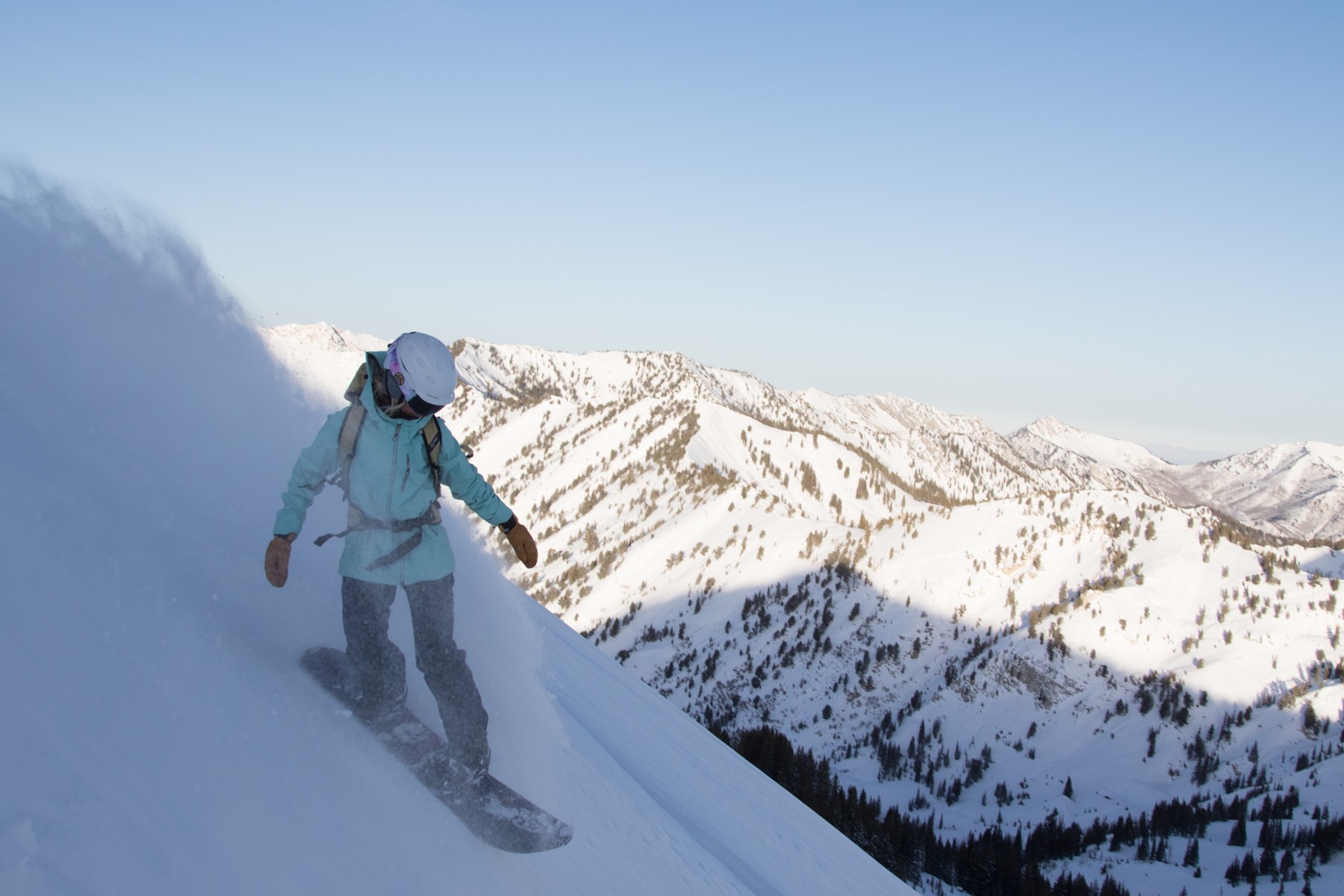
Utah’s winter mountains are stunning, they should be explored and loved. Avalanche awareness courses actually deepen your appreciation and fun when in the backcountry. When you understand the terrain, you move through it with a different kind of gratitude. You give the hazards the space they deserve. You act with intention and a present mind when on your adventures. Most importantly you get to bring the people you love and yourself home.
So as the lifts start spinning and the skin tracks appear in your favorite canyon, add one more thing to your winter prep list and hit up a Know Before You Go course. Then go into that backcountry, fully present, fully stoked, and fully aware! .
Quick Resources
-
Know Before You Go: Free avalanche awareness program and eLearning at KBYG
-
Utah Avalanche Center: Daily forecasts, classes, and Avalanche Awareness Week info at Utah Avalanche Center
-
Ski Utah Avalanche Education Roundups: Course lists and education paths for Utah backcountry skiers and riders.