wors by Evan Thayer
The calendar has flipped to May, and we are writing the final lines in the story of the 2025–26 ski and snowboard season in Utah. Snowbird and Brighton will be spinning lifts for one final weekend, with both resorts setting their final day for May 10–concluding what has been an interesting season to say the least.
When we look back at the season in future years, it will probably go down as one of the worst seasons statistically, but don’t let the snowpack numbers fool you. It wasn’t a “dry” season per se. We saw plenty of storms and plenty of fresh snow. In fact, since 1980, the Alta-Collins station in Little Cottonwood Canyon has had THIRTEEN seasons with less total water for the season. The story for this season, instead, will be the warmth we experienced. In fact, it was the warmest meteorological winter (Dec-Feb) on record.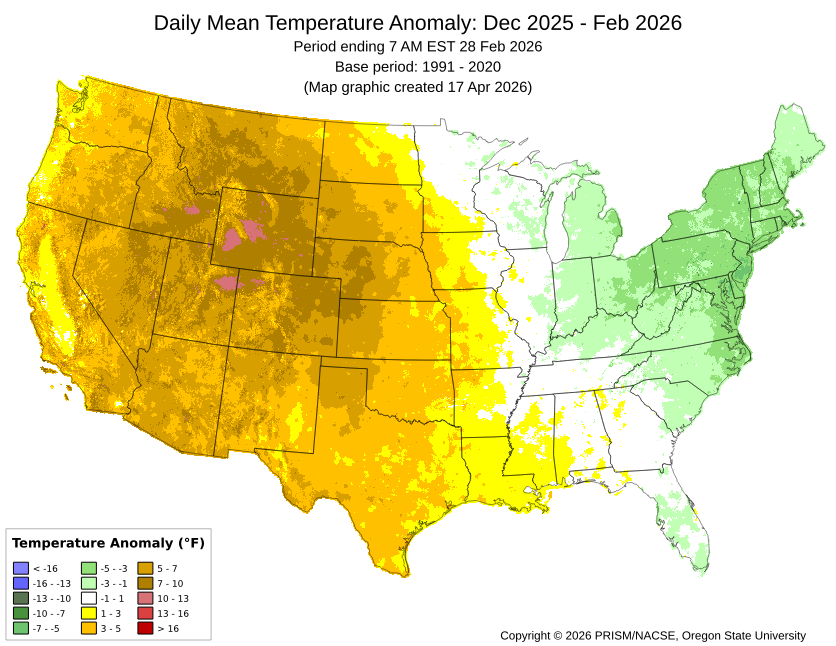
It was then followed by the warmest March on record.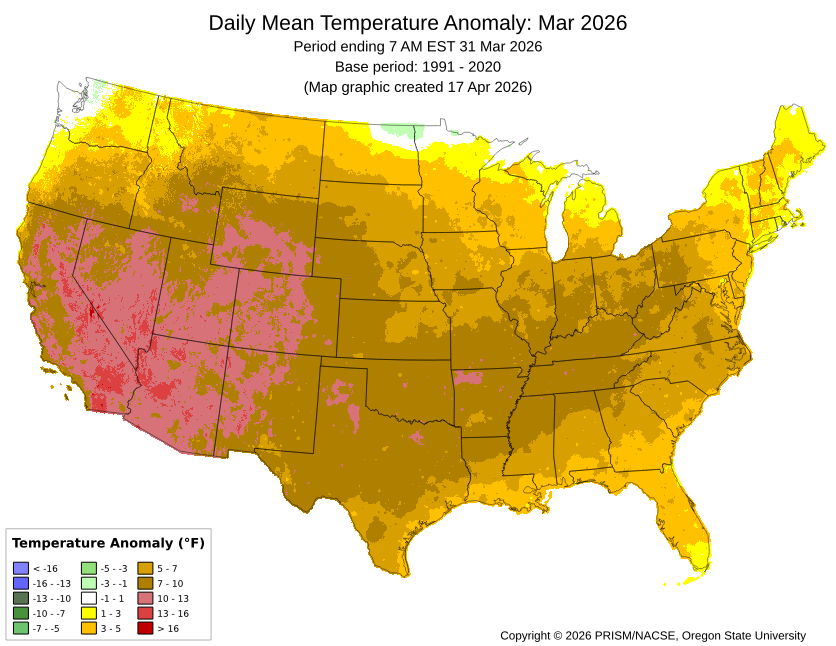
It probably comes as no surprise, but record warmth and snowstorms don’t get along well. Our storms tended to feature more moist flows from the southwest rather than cold troughs dropping in out of the northwest. That meant that snow levels were often elevated. The snow that did fall was denser and didn’t pile up as high as we are typically used to. That suppressed our snow totals significantly. It also led to lower elevation snowpacks suffering far more than the high elevation, where most of the skiing is done.
Earlier this season, I wrote about how the Law of Averages meant that after enjoying an average of close to 700” of snow for the past three seasons, it was probably time for us to see something well below normal. Sure enough, being overdue for a “bad” season finally caught up to us.
The word “bad,” however, is subjective. It is seasons like this one that actually make me appreciate Utah even more. We think the big years of endless deep powder are what define us, but perhaps it’s the consistency that actually makes Utah home of The Greatest Snow on Earth. Take this statistic, for example. Alta’s total snowfall this season of 321 inches was well below normal. However, some prominent resorts in other states, including Colorado, New England, and parts of the far northern Rockies, seldom have winters with that much snow. One of our worst seasons was as good, or better, than many locations’ best season.
Don’t get me wrong, I wish we saw a lot more snow this year. I wish I were writing a season recap in which we were talking about record-breaking storms and copious powder days. The reality of weather is that it varies. By definition, you cannot have an above-average winter every year.
I am grateful that in a year in which we did not see as much snow as we normally do, I was still able to enjoy many great ski days. Days with fresh snow and friends. Days with my 5-year-old in the sun. Days where I could explore the wide variety of terrain Utah offers.
If there’s any good news, it’s that statistically we are almost certain to see a lot more snow next season. I am already counting down the days to the first chair of the 2026–27 Utah ski season.
The Interconnect Tour
Ski up-to 6 resort in 1 day!
Ski Utah Snow Report App
From daily totals and weather to powder alerts and ski day counter.
Last Chair Podcast
Hosted By Tom Kelly
Ski Utah Passport
Available to any 4th, 5th and 6th grade student
The Ski Utah Store
Hoodies, Hats, T-Shirts and More!